Can a stranger learn anything accurate about a date’s personality from the clothes that person chose for the evening? The research on zero-acquaintance judgments says yes, for a short list of traits and with modest accuracy, and one of the traits on that list is the anxiety a person brings to relationships.
Attachment Anxiety in Footwear
The trait most directly tied to dating in this research came from shoes. Researchers at the University of Kansas, in a study published in 2012, collected photographs of the pair of shoes that each of 208 undergraduates, aged 18 to 55, wore most often, along with questionnaires about their personality and background. A separate group of 63 students then rated the owners from the shoe photographs alone.
The observers were most accurate about demographic details such as age and income, followed by attachment anxiety and then agreeableness. Attachment anxiety was measured by agreement with statements such as “I worry that romantic partners won’t care about me as much as I care about them.” The observers picked up anxiety and missed attachment avoidance. The correlations were small.
Personality in Full-Body Photographs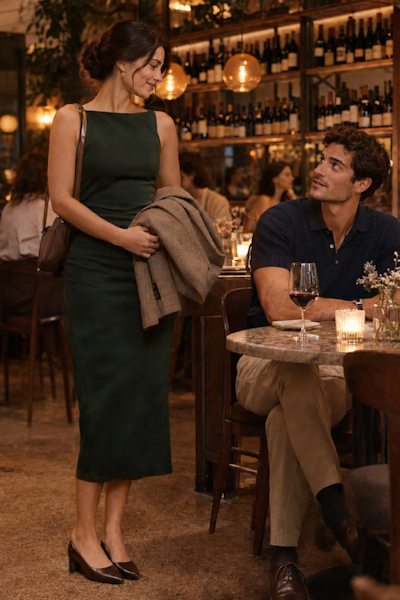
Laura Naumann and colleagues, including Simine Vazire and Samuel Gosling, asked observers in a 2009 study to rate 123 people they had never met, using only full-body photographs. When the people in the photos stood in a pose set by the researchers, observers judged extraversion, self-esteem and religiosity with some accuracy. When the same people chose their own pose and expression, accuracy extended to almost every trait the study measured, including agreeableness and emotional stability. Loneliness and likability were also judged better from the natural poses.
The researchers then looked at which cues provided the information. Static cues such as clothing style and dynamic cues such as posture and facial expression both contributed, which means a photograph of someone standing naturally in their chosen clothes says more than a passport-style image of the same person. Gosling also cautioned that observers still made plenty of mistakes.
Choices About Partners
Dating personality includes the kind of relationship a person wants. Preferences range from a partner met through friends to less conventional choices such as dating a sugar baby.
Clothing tends to follow those preferences, since people dress for the setting they expect and for the kind of person they hope to meet there.
Dress Styles and the Big Five
For a 2021 study, Tali Stolovy of the University of Haifa recruited 792 Israeli women aged 19 to 74, with an average age of 42, through an online survey and asked about their usual style of dress and their personality. Comparing those clothing practices with personality traits, the study found that women higher in openness were about 1.8 times as likely to describe their style as urban and sophisticated. Extraversion was higher among women with an urban style than among those with a casual one, and conscientiousness was highest among women who dressed in a classic style.
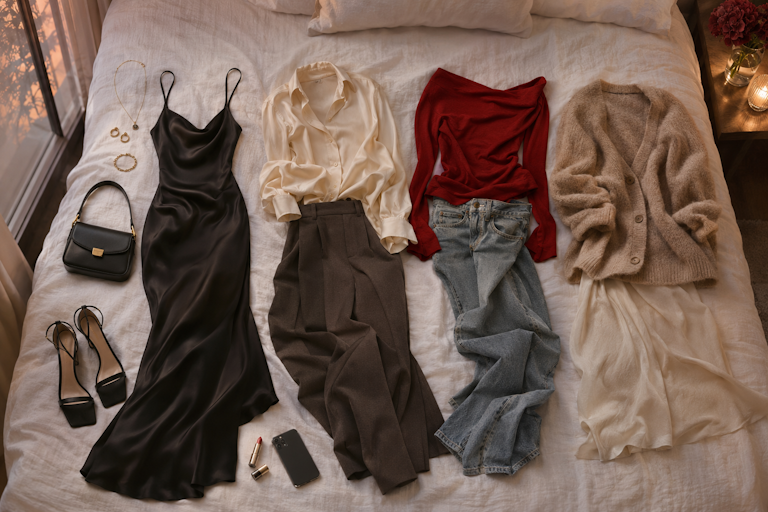 Agreeableness was lowest among women who chose a dramatic style. Neuroticism showed no difference across any of the styles. Openness also had a negative correlation with using clothes to hide the body, which the author read as a sign that more open women were more comfortable being seen. The study was a single online survey of a well-educated convenience sample, and each woman picked one of 5 style categories designed for the study, so it shows associations within that group and nothing about cause.
Watches and Punctuality
Psychologists David Ellis and Rob Jenkins tested watch-wearing as a marker of conscientiousness in a 2015 paper. People who described themselves as regular watch wearers rated themselves as more conscientious than people who did not wear one, and a replication with 638 online participants found the same pattern. A third study in the paper tested the point in practice with 85 participants, and the watch wearers arrived earlier to their appointments.
The study measured the wearers and left the observers out. In that sample, the habit of wearing a watch went with the habit of arriving on time, which is a trait a date will discover by the second meeting.
Narcissism and Stylish Dress
An earlier paper by the Vazire and Gosling group, published in 2008, tested narcissism. Strangers judged it from full-body photographs at least as accurately as they judged any of the Big Five traits. Later reviews of that work list expensive and stylish clothing among the cues that were valid signs of the trait, along with a neat appearance that takes time to prepare.
Miranda Giacomin and Nicholas Rule found in 2018 that observers could pick out grandiose narcissism from faces, and even from narcissists’ eyebrows alone, with distinctiveness as the main cue. A carefully assembled, expensive-looking outfit is one of the few cues the research links to a specific trait, and the trait in question is one most people would want to know about early. Such an outfit is worth noticing alongside everything else the date says and does over the evening.
Error Rates in Snap Judgments
Every study here reports modest accuracy at best. The correlations between clothing cues and personality scores were small, and observers made many errors. Several of the samples were also drawn from university students, and the Israeli data came from a convenience sample. In the Naumann study of personalities judged by physical appearance, accuracy improved when people chose their own pose, which suggests that part of what observers read comes from posture and expression as well as from the clothes. A single outfit is also one choice on one evening, while the studies used the clothes people wear most often or chose for a photograph.
Reports on the Kansas study claimed that shoes revealed 90% of a stranger’s personality, and later commentary pointed out that the paper found a short list of modest correlations and said far less about a person from their shoes than the headlines did.
The Cost of Misreading an Outfit
The observer studies here all measured strangers judging still images, which is the one situation a first date exists to end. A person who rules out a date because of a choice of jacket gives up an evening of conversation in exchange for a signal the research rates as weak, and with it the chance to learn what no photograph of shoes can show, such as how the other person behaves when plans go wrong.