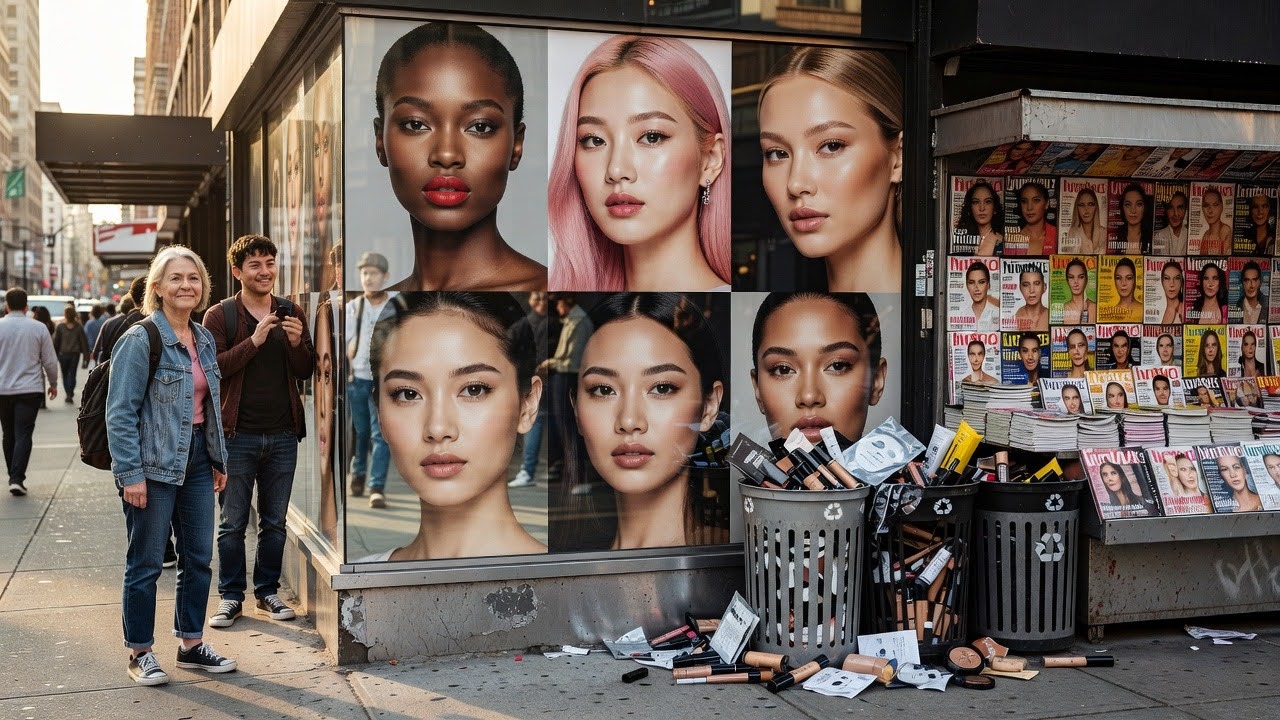
Global beauty standards have undergone rapid transformation since 2016. Each year brought new conversations, personalities, and expectations, all shaped by evolving technology and society. This article traces these changes, showing not only how ideals shifted but also why they continue to diversify.
The Role of Technology in Defining Beauty
With the rise of advanced digital technologies and virtual communication tools—including platforms such as sex chat rooms on XtremeChat —our perception of beauty has become both more experimental and personalized. Today’s filters and augmented reality features let users instantly try new facial features, hairstyles, or even virtual makeup, blurring the line between aspiration and reality.
Statistics from 2026 show that over 85% of teen and young adult social media users utilize digital editing tools for their photos. Online communities, particularly those around dating and chat technologies, have made it possible to present customizable versions of oneself, helping expand traditional beauty boundaries.
Technology also facilitates global exposure to aesthetics previously confined to specific regions or subcultures. For example, the rise of anime-inspired looks and the popularity of face-morphing apps in Europe both stem from seamless online exchanges. Each year brings new tools that further democratize beauty standards, allowing everyone—not just celebrities or models—to define what is beautiful.
Globalization and the Influence of Social Media
Instagram, TikTok, and other visual-based social networks have turned the concept of a single, region-specific standard into something truly global and changeable. Before the explosion of these networks, magazine covers and TV shows usually defined what was considered attractive within each culture. Today, a beauty trend can start on one continent and spread worldwide in days.
By 2022, analysts from the Pew Research Center noted an uptick in cross-cultural beauty trends, such as the global popularity of Korean skincare routines or Brazilian fitness aesthetics. Short-form content on TikTok creates viral trends that only last weeks, illustrating how flexible beauty ideals have become. The result: more representation of different ethnicities, body types, and gender expressions across popular accounts. As a case in point, the hashtag #bodypositivity was used in over 18 million Instagram posts by 2025, reflecting the rise in dialogue and acceptance.
Shifting Attitudes Toward Body Positivity and Diversity
New attitudes toward body image emerged over the last decade. The body positivity movement gained momentum by challenging one-dimensional standards and advocating for the acceptance of all forms, sizes, ages, and backgrounds.
In 2024, a prominent international retailer launched its athleisure campaign with models aged from 19 to 75, including people with visible scars and disabilities. This campaign became a reference point for brands seeking genuine diversity. Magazines no longer feature only slim, young, light-skinned faces – plus-size models, people of colour, and older influencers now appear regularly.
These changes are also reflected in digital spaces, where people increasingly seek inclusive environments such as anonymous sex chat platforms that allow them to communicate without being judged solely on appearance. Such formats can give users greater confidence and help create space for a wider range of identities, preferences, and body types.
A 2025 survey by the Global Fashion Agenda reported that 68% of consumers felt positively about brands taking steps toward visible diversity in their advertising. Casting calls for fashion weeks now require the inclusion of marginalised body types and backgrounds. These practical examples illustrate a sea change in how beauty is not only perceived but also represented across global industries.
Celebrity and Influencer Impact on Beauty Ideals
Celebrity culture remains influential, but the last decade saw a dramatic rise of micro-influencers and local role models. In the mid-2010s, conventional celebrities—Hollywood stars, fashion icons, pop idols—largely dictated mainstream ideals. By 2026, the landscape is much more fractured and democratic.
Singer and entrepreneur Rihanna’s Fenty Beauty, launched in 2017, is a prime example: its 50-shade foundation pushed major brands to expand their ranges, affecting both consumer expectations and competitors’ offerings. More recently, countless local influencers—often with highly engaged but smaller audiences—shape trends by sharing real, unretouched images and offering alternative beauty narratives.
A study from The Journal of Consumer Research in 2023 found that younger audiences trust influencers more than traditional celebrities for advice on skincare, hairstyles, and body image. These smaller-scale tastemakers contribute to a variety of standards, often highlighting features that past decades would have overlooked. As a result, the idea of a monolithic global ideal is dissolving under a wave of authenticity, lived experience, and niche trends.
Will Beauty Standards Continue to Evolve?
Looking ahead, there is every reason to believe that beauty standards will keep changing—perhaps more quickly than ever. Innovations in digital communication, the growing emphasis on inclusion, and accelerating social change all point toward continued evolution.
For instance, technology will likely enable even more personalized representations of beauty through AI-driven tools and immersive experiences. Social demands for diversity and transparency suggest future campaigns and fashion events will feature even broader forms of representation, including intersectional identities and non-traditional aesthetics.
Cultural shifts—such as the steady normalization of once-marginalized expressions—mean that the next decade could bring unexpected definitions of “attractive.” Beauty in 2026 is already less about conformity and more about self-expression. As new generations shape global conversations, the definition of beauty may ultimately become as diverse as humanity itself.