And since we’ve recently come up with a listicle about the hot Latinas on the big screen (and TV), we’ve decided that we also need to do one about the music industry. Very much just like this one, only this listicle will be full of super sexy and gorgeous Latinas. Yup, our favorite. So again, in no particular order of hotness…
Wait, this is not just Latinas in pop music, okay? Though most of them are in that particular genre.
Shakira
Let’s kick things off with the queen of the hip shake herself — Shakira. Born Shakira Isabel Mebarak Ripoll (try saying that five times fast) on February 2, 1977, in Barranquilla, Colombia, she’s a global icon who somehow managed to blend Latin pop, rock, and belly dancing into one unforgettable package.
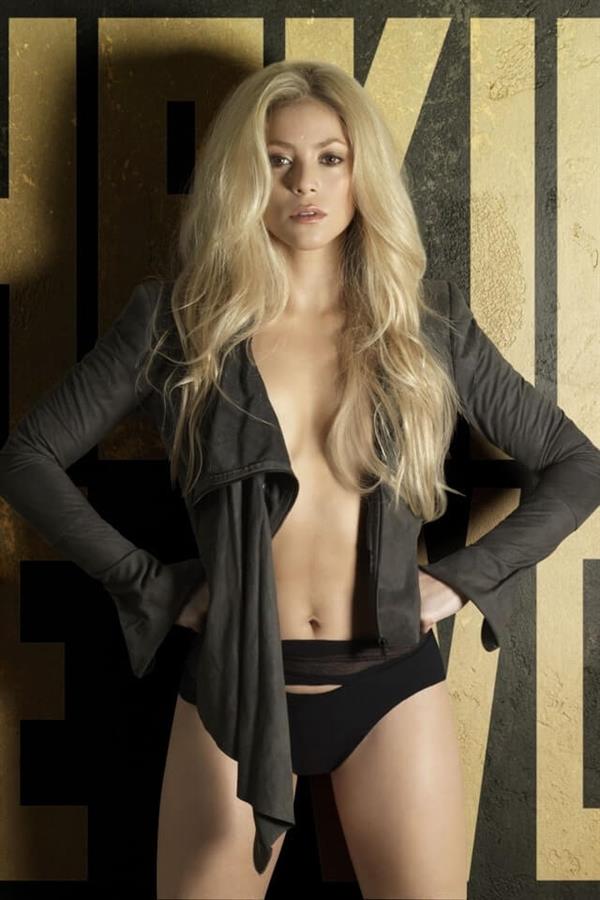
From an early age, little Shakira was already stealing the spotlight at school performances, showing off the belly dancing moves that would later become her trademark. She signed her first record deal at just thirteen — which, let’s be honest, is about the same age most of us were still figuring out how to do algebra.
Her first two albums got her noticed, but it was Pies Descalzos and Dónde Están los Ladrones? that truly launched her into Latin American stardom. Then came her legendary crossover into English music, and boom — the world met “Whenever, Wherever,” and no one’s hips have been the same since.
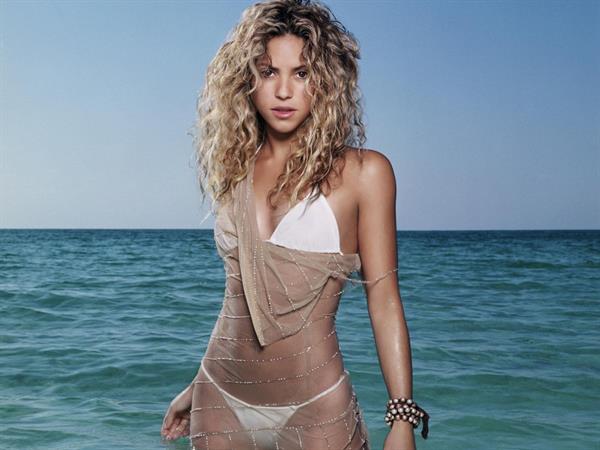
But Shakira’s magic goes beyond the stage. She’s deeply passionate about helping children get access to quality education through her Pies Descalzos Foundation. As a UNICEF Goodwill Ambassador since 2003, she’s been championing kids’ rights around the globe — proving she’s not just shaking hips, she’s shaking up the world for good.
Lele Pons
Lele Pons — born Eleonora Pons Maronese on June 25, 1996, in Caracas, Venezuela — is one of those rare people who seems to do everything and still have time to look flawless doing it. She’s a Venezuelan-American social media star, actress, singer, and host who first shot to fame on the now-legendary app Vine, where her six-second comedy skits made her the most-followed woman on the platform before it shut down in 2016.
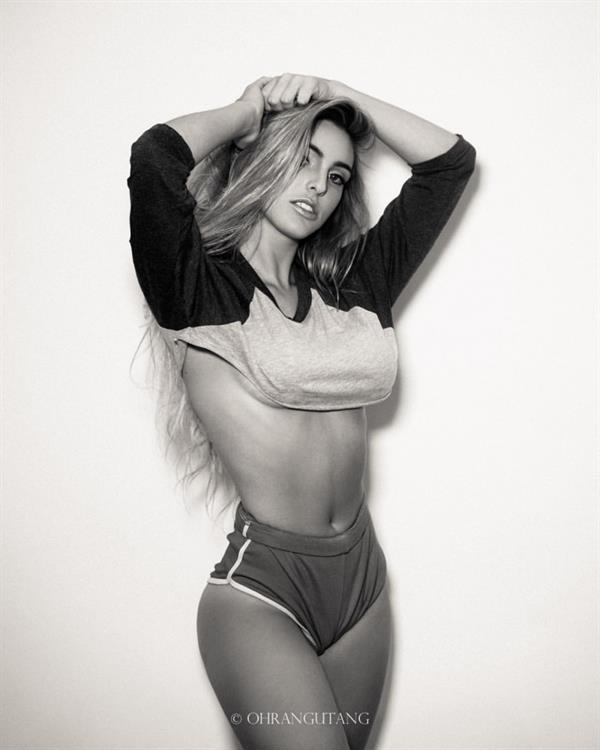
When Vine disappeared, Lele didn’t miss a beat — she simply took her humor, charisma, and hustle to YouTube, Instagram, and TikTok, where she’s built an empire of millions. She’s proof that when one app closes, another ten open.
But Lele isn’t just about making people laugh. She’s also made her mark in music, releasing bilingual hits in English and Spanish. Her single “Celoso” became a massive hit and proved she’s just as comfortable behind a mic as she is in front of a camera. She’s collaborated with top Latin artists and continues to blend pop with her signature bold, fun energy.
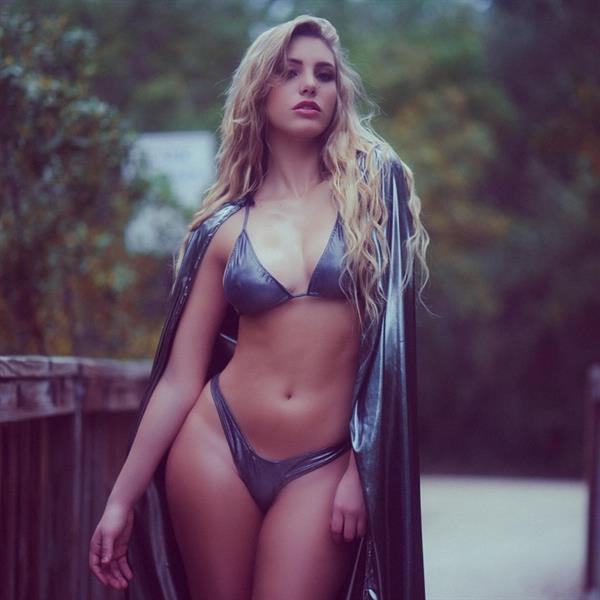
On top of her music success, Lele’s also acted in films and TV shows and hosted major events like La Voz… México (The Voice Mexico) and MTV’s Millennial Awards. And because she never does anything halfway, she even co-authored a novel in 2016 and starred in her own YouTube Originals docuseries, The Secret Life of Lele Pons, which gave fans an intimate look at her life — including her candid discussions about living with Tourette syndrome and OCD.
Lele moved from Venezuela to the U.S. when she was five, and her journey from immigrant kid to global superstar is nothing short of inspiring. Whether she’s cracking jokes, performing on stage, or opening up about mental health, Lele’s message is the same: be real, be fearless, and always keep people guessing what you’ll do next.
Kali Uchis
Kali Uchis — born Karly Marina Loaiza on July 17, 1994 — is a Colombian-American singer-songwriter whose music feels like a daydream you never want to wake up from. With her silky voice and effortlessly cool style, she’s mastered the art of blending genres — floating between R&B, soul, pop, and reggaetón like it’s second nature.
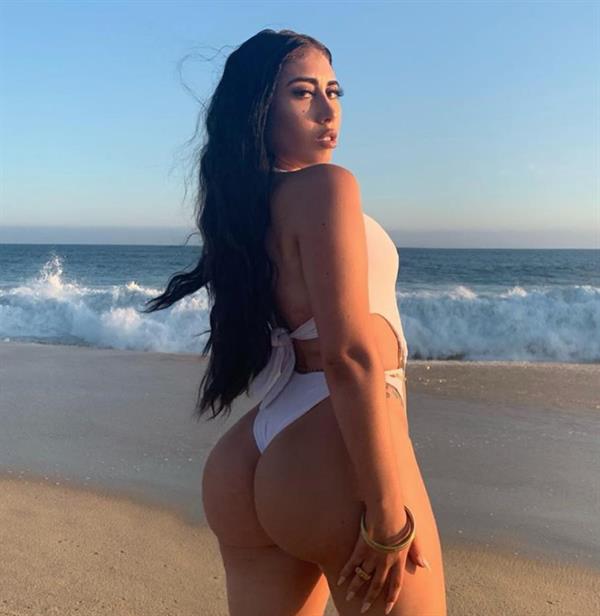
She first caught attention in 2012 with her DIY mixtape Drunken Babble, a lo-fi, genre-bending project that hinted at her future brilliance. By 2015, she dropped her EP Por Vida, and critics started to take serious notice — but it was her debut album Isolation (2018) that turned her into a full-blown star. The record was a kaleidoscope of sounds, featuring collaborations with artists like Tyler, The Creator and Reykon, and it instantly cemented Kali’s place as one of the most original voices in modern music.
Never afraid to embrace her roots, Kali sings in both English and Spanish — and her bilingual magic struck gold with “Telepatía” from her Spanish-language album Sin Miedo (del Amor y Otros Demonios) (2020). The dreamy track went viral worldwide, giving her her first solo hit on the Billboard Hot 100 and proving that language is no barrier when a song feels that good.
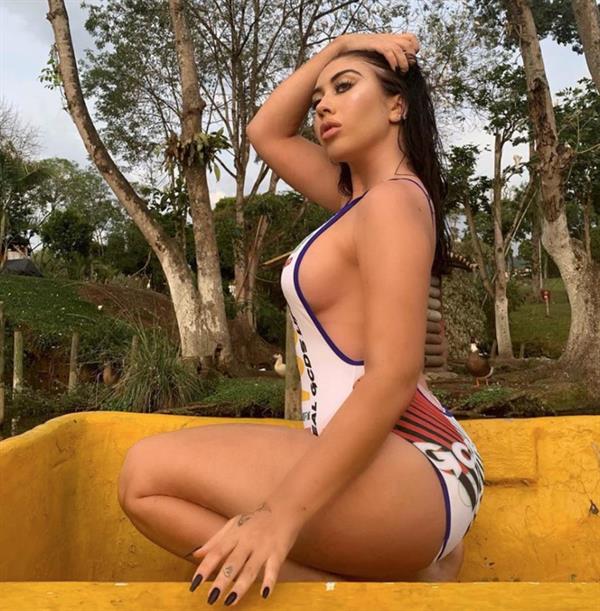
She’s also collaborated with some of the industry’s best — including Kaytranada, with whom she won a Grammy for “10%” — and earned her first Latin Grammy nomination in 2017 for Record of the Year with “El Ratico” alongside Juanes.
Kali’s music is moody, cinematic, and completely her own. Whether she’s crooning in Spanish or vibing in English, she’s the definition of effortless cool — a boundary-breaking artist who’s rewriting what global pop can sound like, one ethereal track at a time.
Leslie Grace
Leslie Grace is the kind of talent who can do it all — sing, act, and charm an audience in two languages without breaking a sweat. Born on January 7, 1995, in The Bronx, New York, to Dominican parents and raised in sunny Davie, Florida, she’s a proud Dominican-American artist who’s been shining since her school days.
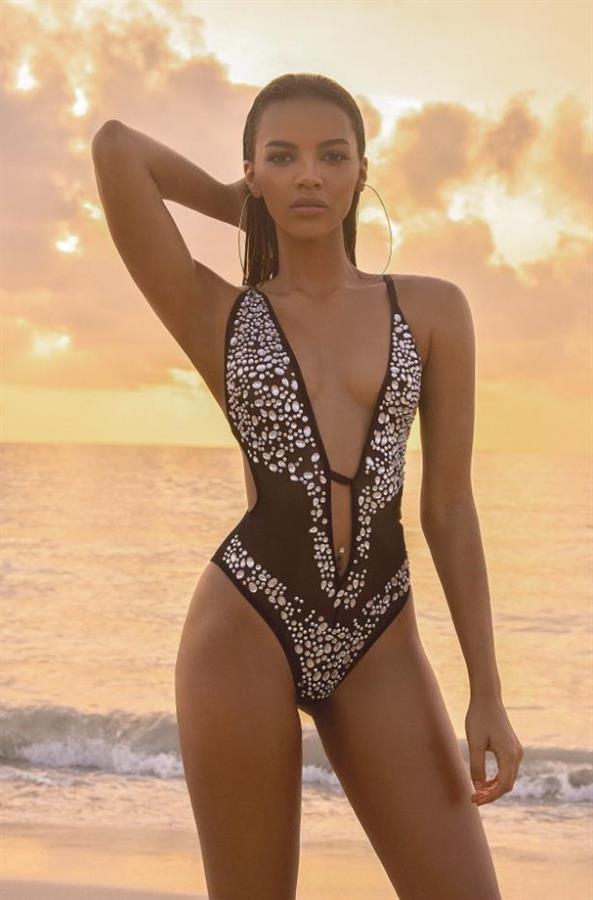
Leslie’s musical journey started early — she was already performing as a kid and even released a Christian music album while still in middle school (talk about overachieving). But her big break came when she recorded a bilingual bachata version of “Will You Still Love Me Tomorrow.” The song became a massive hit, making her the youngest female artist ever to top the Billboard Latin charts. Not a bad start, right?
Her sound is a delicious blend of Latin pop, bachata, R&B, and soul, and she’s collaborated with some of the biggest names in Latin music — including Becky G, Maluma, and CNCO. Every track she touches has her signature mix of sweetness and strength, always delivered with that effortless Leslie Grace flair.
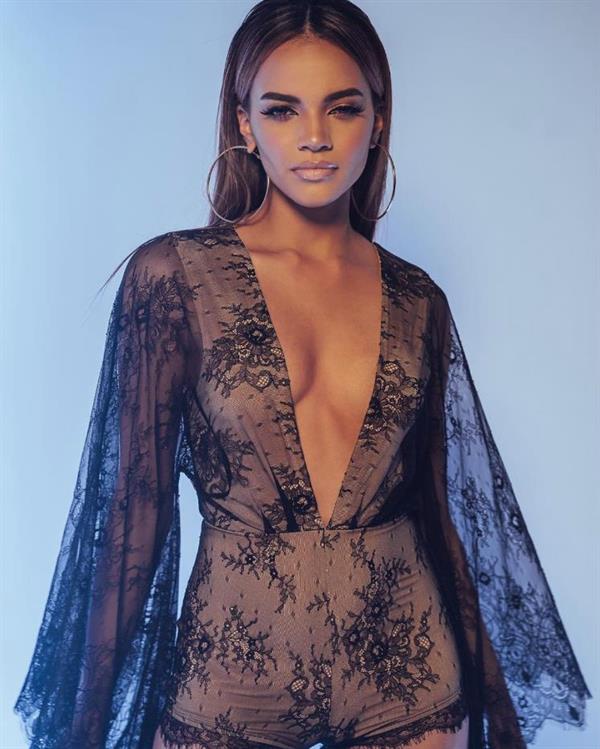
And as if dominating the music scene weren’t enough, Leslie also stepped into the acting world. She wowed audiences as Nina Rosario in the film adaptation of In the Heights and was even cast to play Batgirl (aka Barbara Gordon) in the DC film Batgirl — proving she can go from the recording booth to Gotham City like it’s no big deal.
With her powerhouse voice, bilingual brilliance, and trailblazing career, Leslie Grace isn’t just living up to her name — she’s redefining it.
Natti Natasha
Natti Natasha — born Natalia Alexandra Gutiérrez Batista on December 10, 1986 — is the Dominican powerhouse who helped bring a fresh wave of female energy to the reggaetón and Latin pop world. Hailing from Santiago de los Caballeros, Dominican Republic, she grew up surrounded by music and creativity, studying at the Santiago School of Fine Arts before deciding to chase her dreams all the way to New York City at just 18.
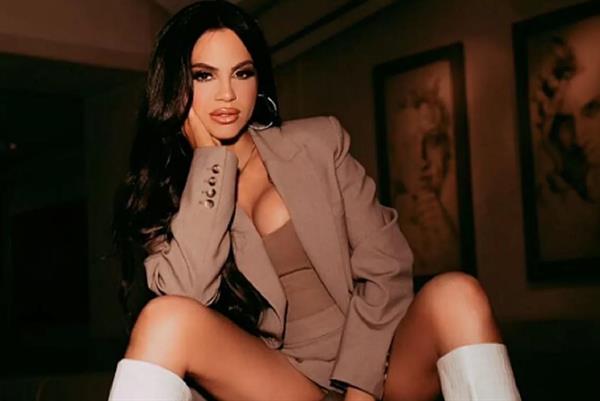
That bold move paid off. After linking up with reggaetón legend Don Omar in the early 2010s, Natti began carving out her place in the industry. She dropped her first EP, All About Me, in 2012 — but her real breakout came later with the irresistible hits “Criminal” (with Ozuna) and “Sin Pijama” (with Becky G), songs that took over radios, playlists, and dance floors around the world.
By 2017, she was officially unstoppable — Billboard named her the “Most-Watched Spanish-Speaking Female Urban Artist” on YouTube. And when she released her debut album ilumiNATTI in 2019, it was clear she wasn’t just shining — she was glowing.
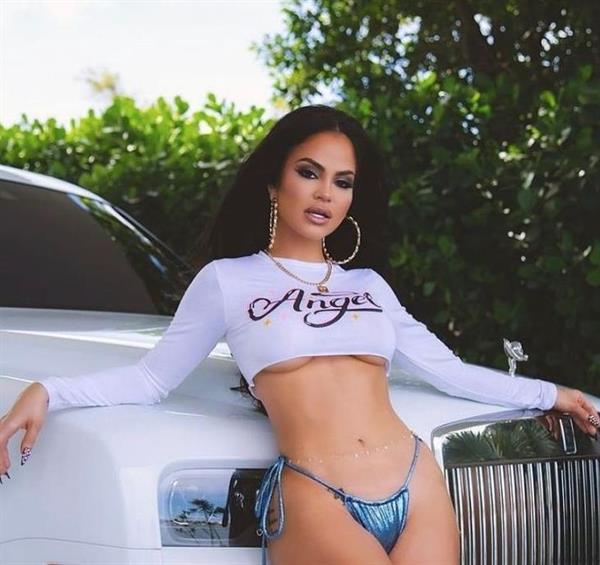
Natti Natasha’s music blends sultry confidence with infectious rhythm, and her collaborations read like a who’s who of Latin music royalty. But what really sets her apart is her energy — equal parts fierce, fearless, and fun. From the Dominican Republic to global superstardom, Natti’s story is proof that when you follow your rhythm, the world can’t help but dance along.
Cardi B
Cardi B — born Belcalis Marlenis Almánzar on October 11, 1992 — is the Bronx-born powerhouse who turned social media fame into Grammy-winning superstardom. She’s an American rapper, songwriter, and unapologetic icon known for her bold personality, viral one-liners, and chart-topping hits that just don’t quit.
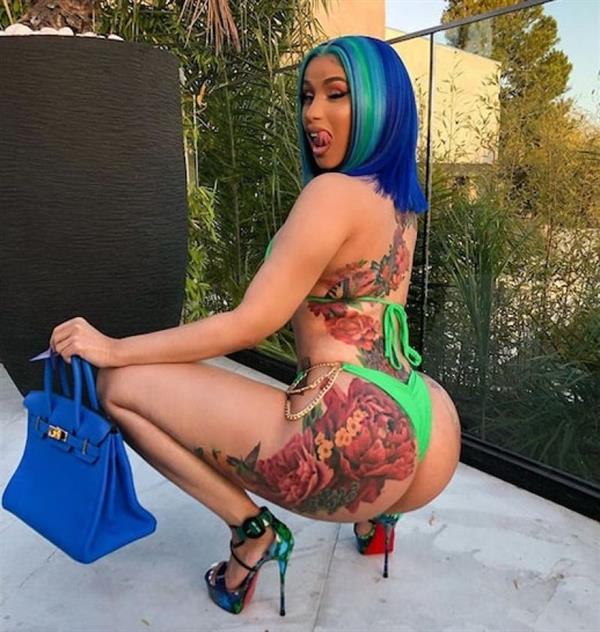
Born to a Dominican father and Trinidadian mother, Cardi grew up in the Bronx with big dreams and even bigger charisma. Her now-famous nickname comes from “Bacardi,” a family nickname that stuck — and honestly, it suits her: bold, spicy, and guaranteed to turn up any room she walks into.
Before she was a household name, Cardi was already a social media star, cracking people up with her hilarious, no-filter videos on Vine and Instagram. That raw authenticity landed her a spot on VH1’s Love & Hip Hop: New York, where she quickly became the breakout star thanks to her quick wit, confidence, and hustle. But reality TV was just the beginning — Cardi had bigger plans.
In 2017, she dropped “Bodak Yellow”, and everything changed. The song exploded, hitting number one on the Billboard Hot 100 and officially cementing Cardi B as a rap force to be reckoned with. Her debut album, Invasion of Privacy (2018), took things to another level — winning the Grammy for Best Rap Album, making her the first solo female rapper ever to win in that category.
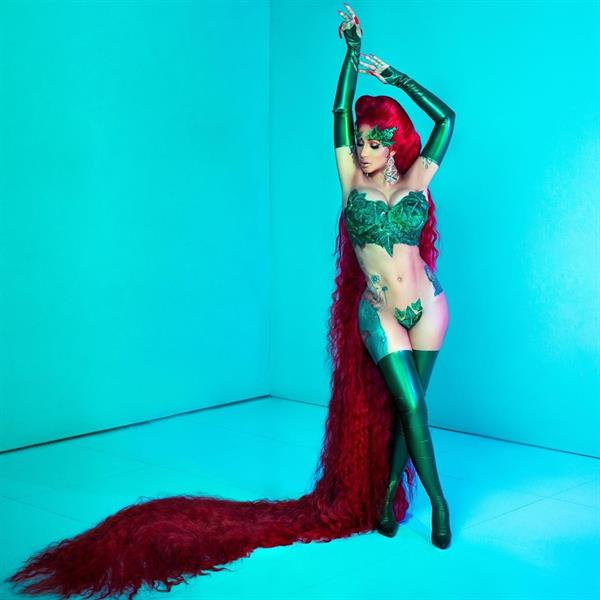
Since then, Cardi’s collected Grammys, Billboard Music Awards, and AMAs like it’s a hobby, and in 2018, Time magazine named her one of the 100 Most Influential People in the World — because, really, who else could it be?
From the Bronx to the global stage, Cardi B is proof that authenticity, talent, and a little attitude can take you anywhere. She didn’t just break into the rap game — she kicked the door down and made it her own.
Becky G
Before she was Becky G, the chart-topping pop powerhouse, she was Rebecca Gomez — a California kid growing up in a family that knew the meaning of hustle. Money was tight, so Becky started working young, taking on all kinds of gigs (yes, even commercials) to help her family out. Spoiler alert: none of those early jobs made her famous — but they did build the grit that would later define her.
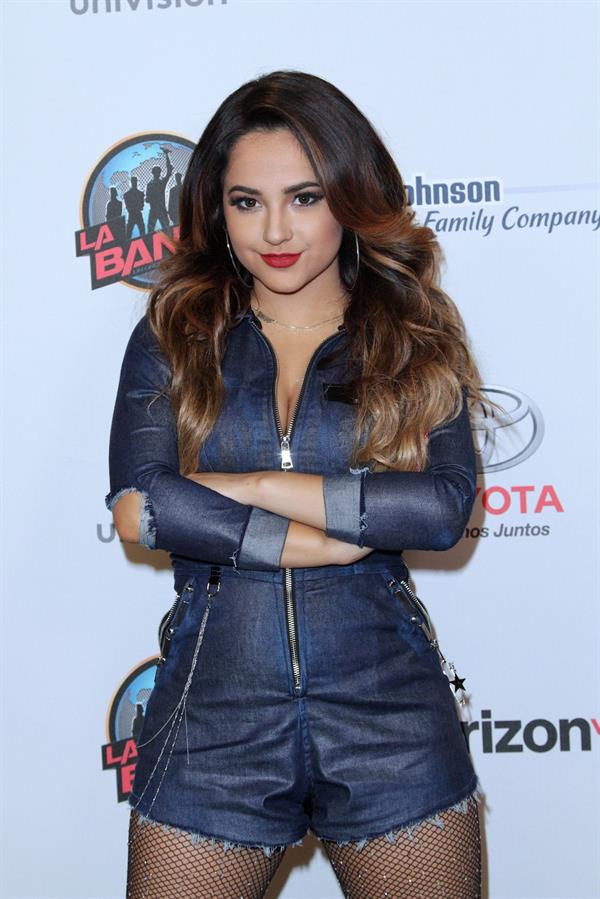
At just 12, Becky joined a short-lived girl group called G.L.A.M. (because of course it was called that). But her real breakthrough came two years later when she grabbed a mic, fired up YouTube, and started dropping remixes of popular songs — adding her own lyrics and attitude. The internet loved it. Before long, Sony Music came calling, and Becky found herself collaborating with big names like will.i.am, Wiz Khalifa, and Kesha. Not bad for a teenager with a webcam.
In 2013, she released her first EP, Play It Again. The singles “Play It Again” and “Can’t Get Enough” got some love in Latin markets, but it wasn’t until 2014’s Shower that Becky truly soaked the mainstream. The bubbly pop hit went platinum, and suddenly everyone was singing in the mirror with a shampoo bottle mic.
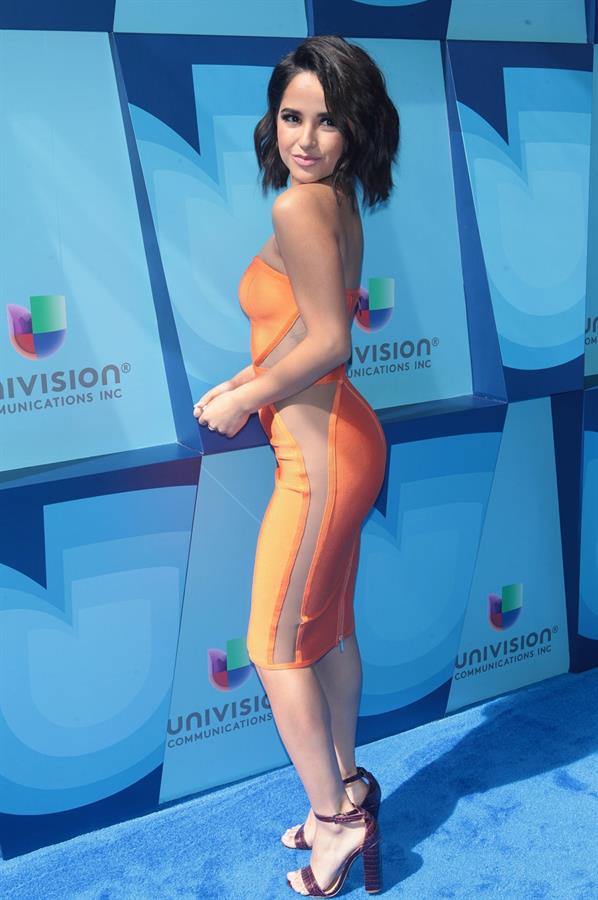
From there, her career just kept heating up — new singles, a growing fanbase, and a handful of awards from Radio Disney and the Teen Choice crowd. But Becky’s not one to stay in one lane. In 2015, she hit pause on music to try acting, guest-starring on Empire and landing the role of Trini, the Yellow Ranger, in the Power Rangers movie. Because if you’re going to be multitalented, you might as well save the world while you’re at it.
Camila Cabello
Camila Cabello — yes, the voice behind “Havana” that you still can’t get out of your head — was born Karla Camila Cabello Estrabao on March 3, 1997, in Havana, Cuba. Her early years were a bit of a travel story: her family bounced between Havana and Mexico before finally settling down in Miami when Camila was five (Good thing too — imagine all that talent going unnoticed!).
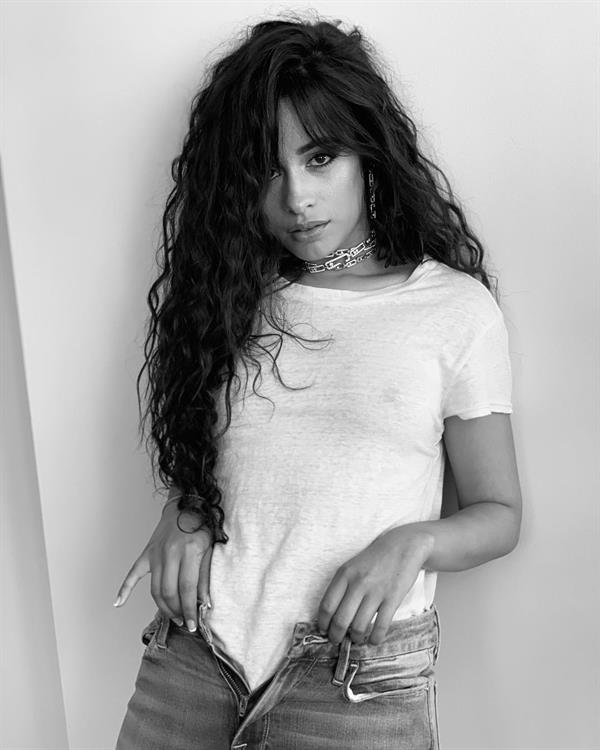
Fast-forward to 2012. A young Camila auditions for The X Factor, only to be eliminated during the dreaded bootcamp round. But plot twist — she’s brought back along with four other contestants to form a girl group called Fifth Harmony. They didn’t win (third place, not bad!), but they definitely won the world’s attention — and a record deal with Simon Cowell’s Syco Music and Epic Records.
From there, Fifth Harmony dropped bangers like Better Together (2013), Reflection (2015), and 7/27 (2016). But by the end of 2016, Camila decided it was time to go solo — and the rest is pop history.
Since stepping out on her own, she’s collaborated with big names like Shawn Mendes, Machine Gun Kelly, Pitbull, and Cashmere Cat, proving she’s got range — both musically and vocally. Time magazine even named her one of the “25 Most Influential Teens” of 2016, which is basically the universe’s way of saying, “You’re doing amazing, sweetie.”
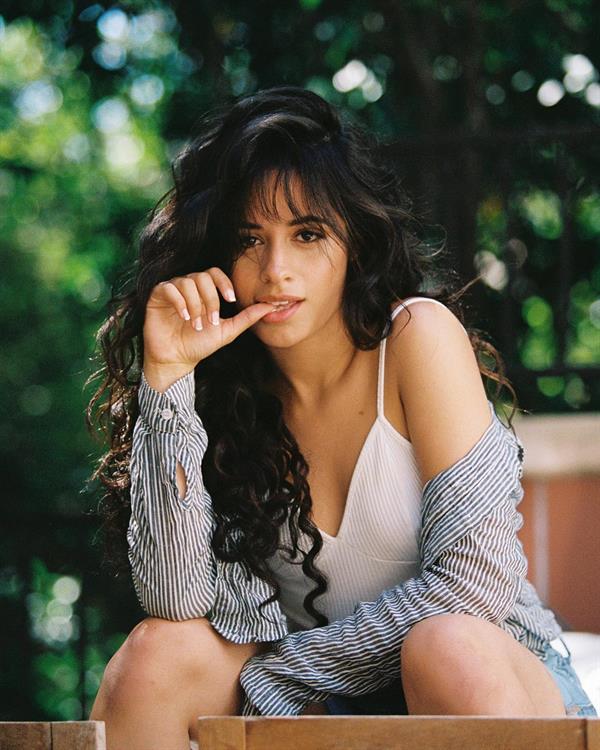
Outside of music, Camila’s heart is just as loud as her voice. She’s teamed up with Save the Children to raise awareness about education and healthcare for girls and worked with the Children’s Health Fund to help bring care to low-income kids.
Then came her solo debut album, The Hurting, the Healing, the Loving — an emotional rollercoaster that marked the beginning of her journey as a full-fledged pop star. The lead single dropped on May 19, 2017, and just like that, the world was officially under Camila’s spell.
Selena Gomez
Selena Gomez — pop star, actress, producer, and all-around powerhouse — has pretty much done it all. Born in Texas in 1992 to Ricardo Joel Gomez and former stage actress Mandy Cornett, Selena was destined for the spotlight. She got her first taste of fame at just seven years old on Barney & Friends (yes, that purple dinosaur), where she sang, smiled, and proved she was way too talented for elementary school talent shows.
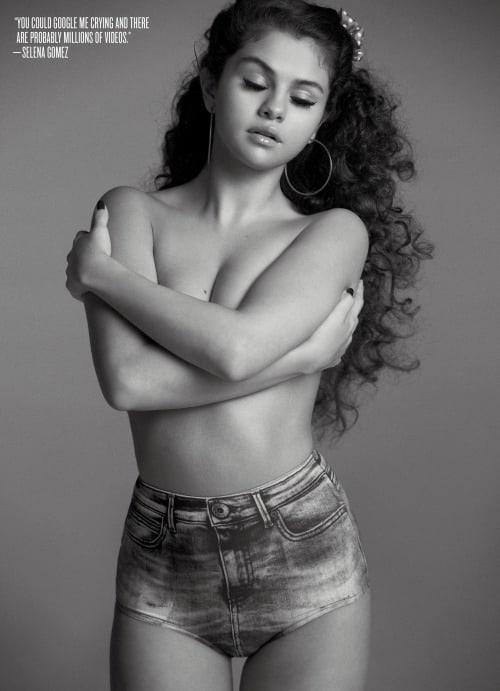
Her real breakout came a few years later as Alex Russo, the sassy teen wizard on Disney Channel’s Wizards of Waverly Place. The show made her a household name, and from there, Selena pulled off one of Hollywood’s smoothest transitions — from Disney darling to chart-topping pop star.
With her band Selena Gomez & The Scene, she dropped catchy hits before going solo and proving she could hold her own. Albums like Stars Dance, Revival, and Rare didn’t just top charts — they solidified her as a true pop icon. Songs like “Come & Get It” and “Bad Liar” showed off her knack for pairing vulnerability with confidence — a combo her fans can’t get enough of.
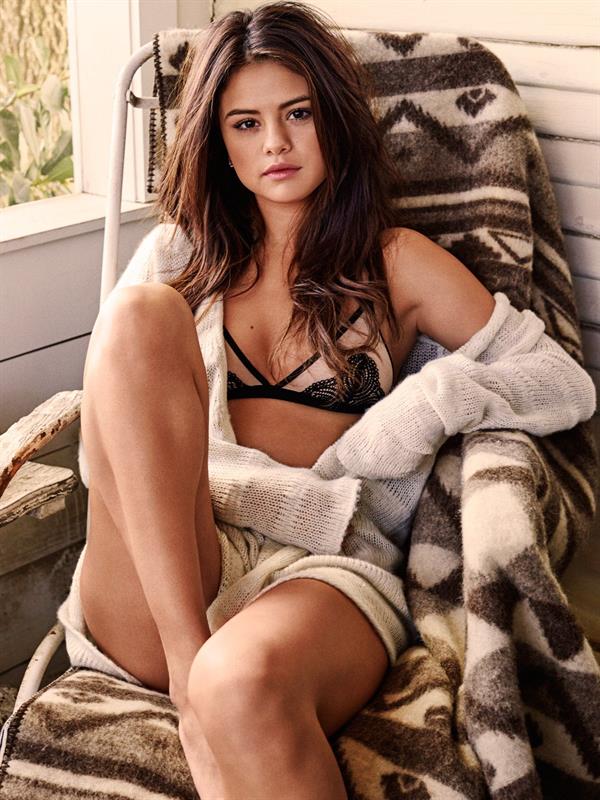
But Selena’s more than just a voice and a wand. She’s also made waves behind the camera as an executive producer on Netflix’s 13 Reasons Why, showing she’s just as powerful calling the shots as she is in front of them.
And let’s not forget her heart. Selena’s been a UNICEF ambassador since 2009, using her platform to advocate for children around the world — because apparently, being talented, successful, and kind is just her thing.
Anitta
Larissa de Macedo Machado — or as the world knows her, Anitta — is Brazil’s unstoppable triple threat: singer, songwriter, and dancer extraordinaire. Born and raised in Rio de Janeiro, she kicked off her career in 2010 after signing with the label Furacão 2000, and it didn’t take long before her talent made serious noise.
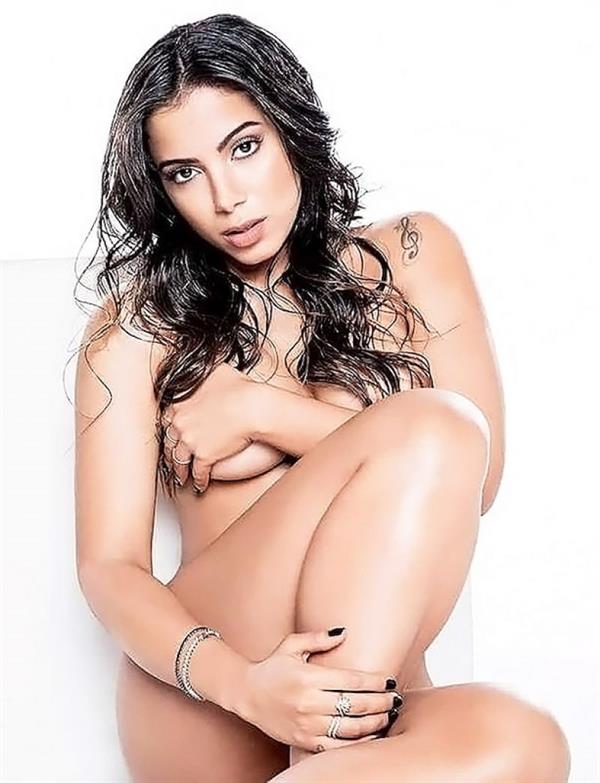
By 2013, Anitta exploded onto the scene with “Show das Poderosas” — a song so catchy it took over Brazil, Mexico, Colombia, Chile, Uruguay, Spain, Portugal, and even parts of North America. Basically, if you had ears, you were probably dancing to it.
Her rise was fast and fierce. In the same year, she scored a massive deal with Warner Music and dropped her debut album, Anitta, that July. The record went triple gold and double platinum — not bad for a first try. “Show das Poderosas” also topped Billboard Brazil, officially crowning her the queen of Brazilian pop.
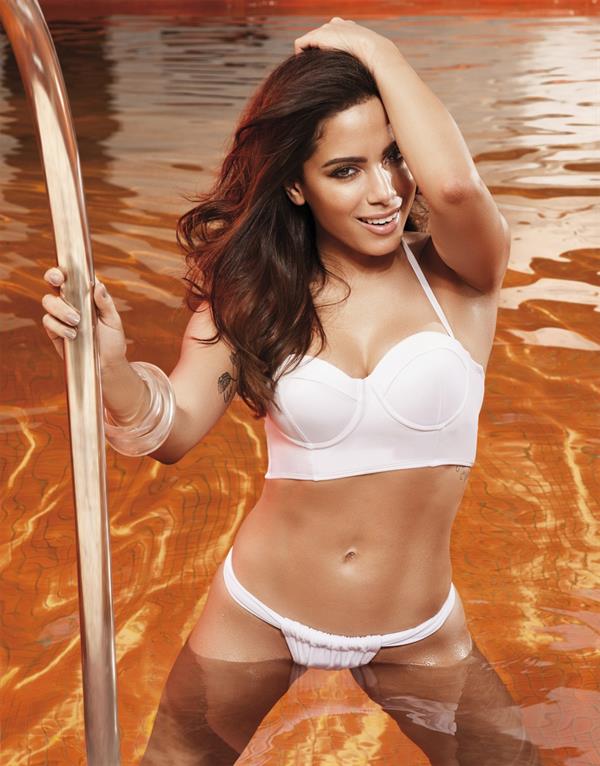
In 2014, she made history as the youngest Latin American artist to perform at the Latin Grammys — even though she didn’t take home a trophy that night, she definitely stole the spotlight.
Oh, and did we mention she’s fluent in three languages — Portuguese, Spanish, and English? Because of course she is. When Anitta sets her mind to something, she doesn’t just do it — she dominates it.
Karol G
Karol G — the Colombian reggaeton queen whose songs can turn any room into a dance floor — was born Carolina Giraldo Navarro on Valentine’s Day, 1991. Fitting, right? She’s been making people fall in love with her music ever since.
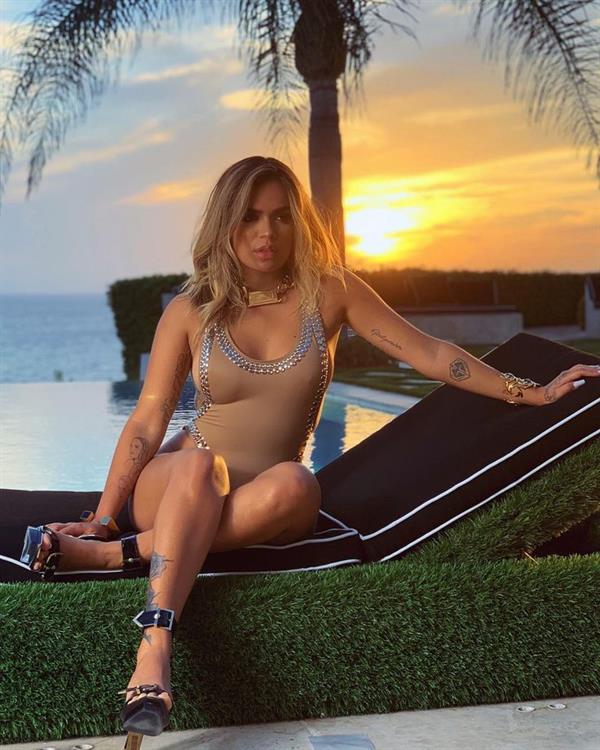
Her stage name, “Karol G,” actually started as a school nickname, inspired in part by her admiration for the hip-hop crew G-Unit. Clearly, even back then, she had star energy.
Karol got her start on Colombia’s El Factor Xs — think The X Factor, but with more rhythm — and used that platform to carve her way into the Latin music scene. It wasn’t long before she started collaborating with big artists and dropping hits that dominated the charts. Songs like “Ahora Me Llama,” “Mi Cama,” and “Culpables” all crashed the Billboard Hot Latin Songs Top 10, turning her into one of reggaeton’s leading voices.
And if you think that’s impressive, here’s a record-breaker for you: her album Mañana Será Bonito became the first all-Spanish album by a woman to hit No. 1 on the Billboard 200. That’s right — she made history, all while keeping her signature cool and confidence.
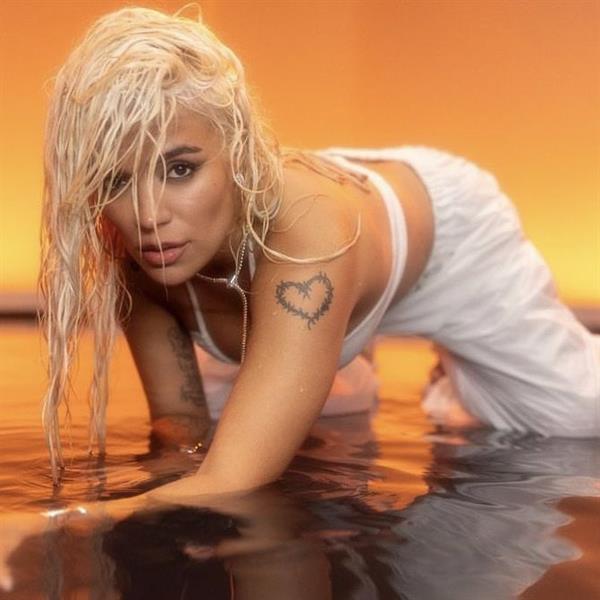
Oh, and did we mention she’s also a Latin Grammy winner? Because of course she is. Karol G doesn’t just make hits — she owns them.
Christina Aguilera
Christina Aguilera — the powerhouse voice behind “Genie in a Bottle” and basically half the karaoke songs of the 2000s — was born on December 18, 1980, in Staten Island, New York. From the moment she could hold a mic, it was clear this kid wasn’t just singing nursery rhymes — she was performing them.
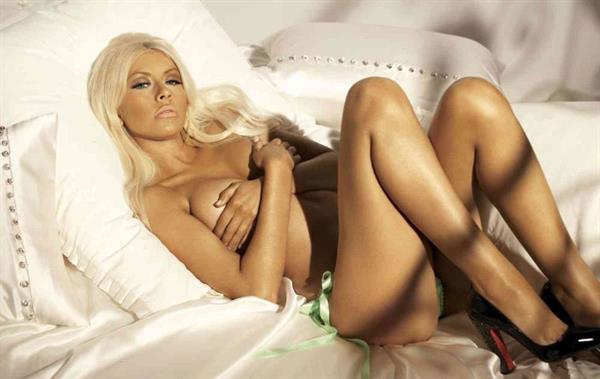
At just nine years old, Christina wowed audiences on Star Search, and a few years later, she joined The Mickey Mouse Club — you know, the same Disney crew that gave us Britney Spears and Justin Timberlake. Talk about a stacked lineup. That gig set her up for stardom, and by 1999 she dropped her debut album, Christina Aguilera, which sold over 17 million copies worldwide and snagged her a Grammy for Best New Artist. Not bad for a girl fresh out of Disney.
Known for her powerhouse vocals and five-octave range (seriously, she belts), Christina became one of the defining voices of pop music. Albums like Stripped and Back to Basics showed her versatility — effortlessly blending pop, R&B, soul, and jazz while giving us unforgettable anthems like “Beautiful” and “Fighter.”
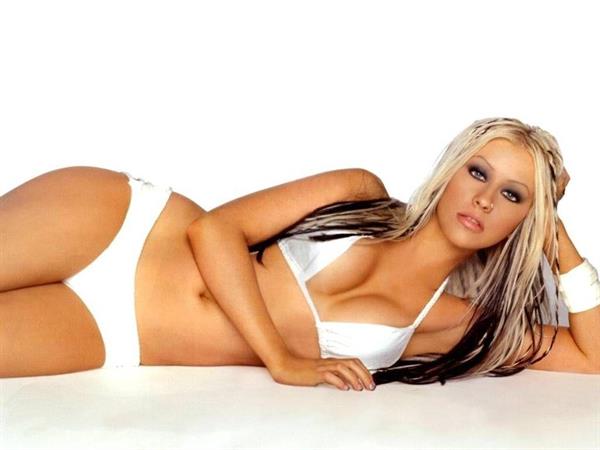
But Xtina isn’t just about the high notes. She’s also used her platform to give back, serving as a United Nations ambassador for the World Food Programme and supporting multiple humanitarian causes. On top of that, she’s mentored aspiring singers as a coach on The Voice, proving she’s just as good at inspiring talent as she is at out-singing it.
From Disney kid to diva, Christina Aguilera’s legacy isn’t just about her insane vocals — it’s about her power, her passion, and her ability to keep reinventing herself without ever losing that unmistakable X factor.
Rosalía
Rosalía Vila Tobella — or simply Rosalía, because icons don’t need last names — was born on September 25, 1993, in Sant Esteve Sesrovires, Catalonia, Spain. She’s the genre-bending Spanish singer who took traditional flamenco, gave it a bold, modern twist, and turned it into a global phenomenon.
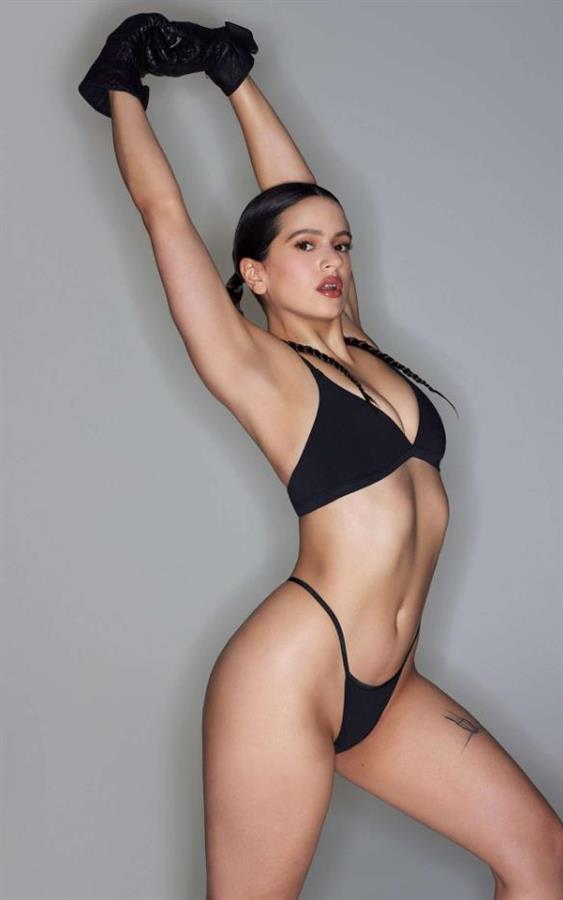
Fluent in Catalan, Spanish, and English (because why stop at one language when you can charm the world in three?), Rosalía started turning heads in 2016 with her first song, “Catalina.” A year later, she dropped her debut album Los Ángeles, a hauntingly beautiful project that put her on the radar of music critics and fans alike.
But it was her second album, El mal querer — part university thesis, part musical masterpiece — that launched her into superstardom. It blended flamenco with pop, R&B, and electronic sounds, proving Rosalía wasn’t just playing by the rules — she was rewriting them entirely.
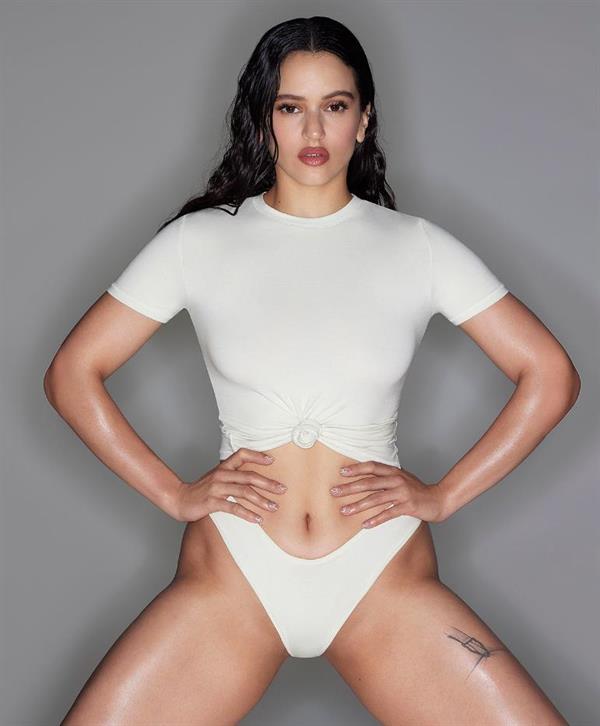
Since then, she’s collaborated with some of the biggest names in music, including Pharrell Williams, J Balvin, Travis Scott, and The Weeknd, all while collecting a shelf’s worth of Grammy and Latin Grammy Awards along the way. She’s even brought her magic to the Saturday Night Live stage, dazzling audiences with her signature mix of passion, power, and perfectly sharp hand claps.
Rosalía isn’t just making music — she’s redefining what Spanish artistry looks and sounds like in the global spotlight. And honestly? She’s doing it con mucho estilo.
Sofia Reyes
Sofía Reyes — the Mexican pop star who can switch between languages as easily as she switches between hit singles — was born on September 25, 1995, in Monterrey, Mexico. She first started turning heads by posting song covers on YouTube (as all great 2010s stars did), and her talent quickly caught the attention of Latin superstar Prince Royce, who signed her to his label, D’León Records.
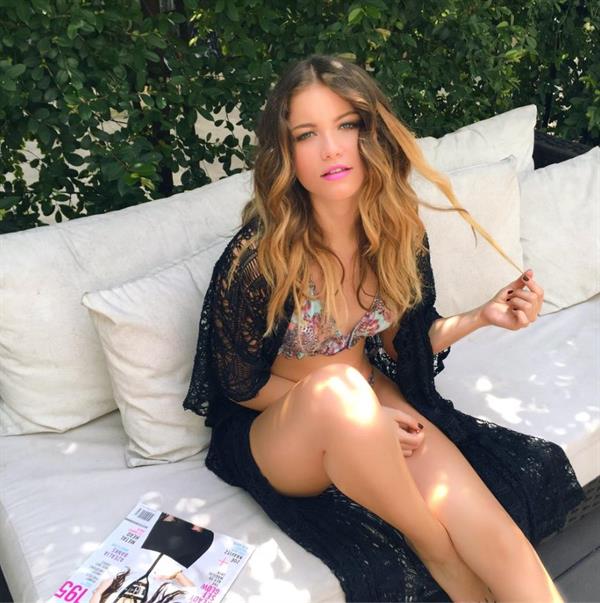
In 2017, she dropped her debut album Louder!, and it did exactly what the title promised — turned the volume way up on her career. The standout track “1,2,3” — featuring Jason Derulo and De La Ghetto — became an international hit, proving Sofía could blend pop hooks and Latin flair better than anyone.
Then came “R.I.P.” in 2019, her collab with Brazilian superstar Anitta and British pop queen Rita Ora — a trilingual anthem that not only dominated playlists but also earned her a Latin American Music Award and a LOS40 Music Award. Because apparently, world domination sounds best in three languages.
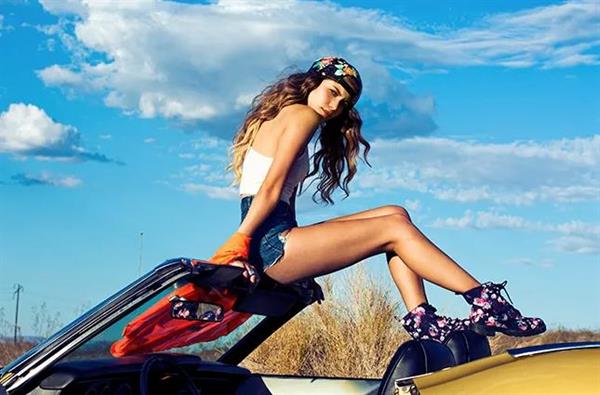
Sofía’s not one to stay in one lane, though. She’s teamed up with Becky G for “Mal de Amores,” worked with Lauv on “El Tejano,” and keeps fans guessing (and dancing) with her upcoming album MILAMORES, which features singles like “Cobarde.”
Oh, and just to keep things interesting, she’s even tried her hand at acting — appearing in three episodes of Are You Afraid of the Dark? in 2019. So yes, Sofía Reyes sings, writes, acts, and crosses cultural borders like it’s no big deal. Basically, she’s the global pop star your playlist’s been waiting for.
Goyo
Gloria Emilse Martínez — better known as Goyo — is a singer, producer, and co-founder of the Grammy Award–winning group ChocQuibTown. Born in Condoto, Chocó, on Colombia’s Pacific coast, she’s one of the most inspiring artists to come out of the country — and she’s taking her sound (and her pride) global.
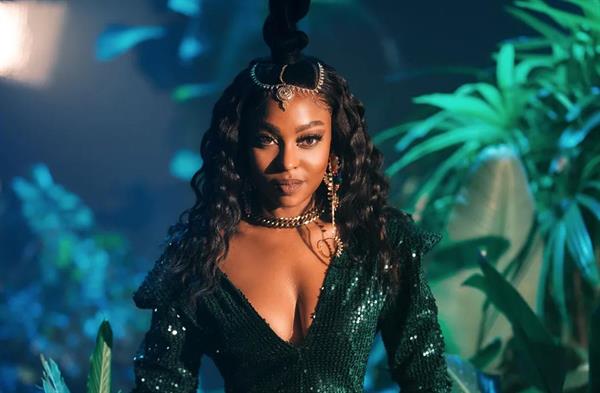
Goyo’s music is as powerful as her presence. She proudly celebrates her Afro-Latina roots and Pacific heritage — just listen to her anthem “Somos Pacífico” and you’ll hear it loud and clear. But beyond the beats and the bars, Goyo uses her voice as a platform — to shine light on Afro-Colombian culture, history, and the realities her community faces.
In 2020, the Latin Grammys named her a “Leading Lady of Entertainment,” making her the first Afro-Latina to ever receive the honor. It was more than an award — it was a moment of recognition for everything she represents: talent, resilience, and purpose.
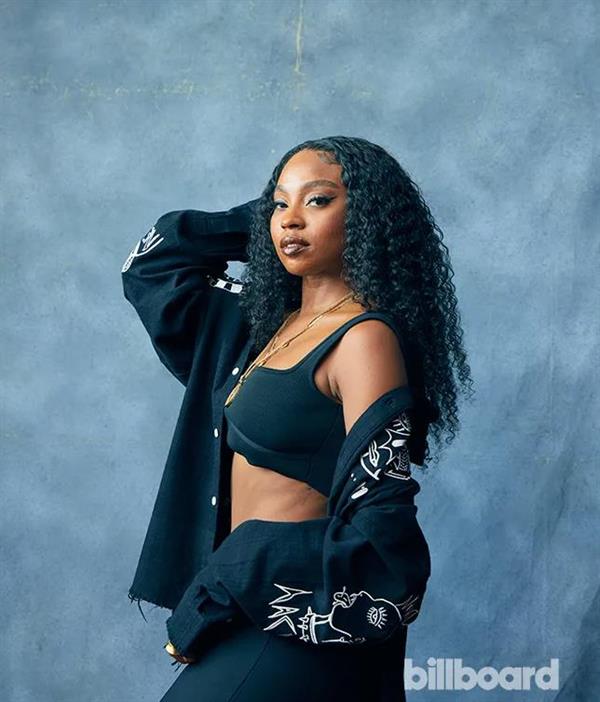
Through her music and activism, Goyo isn’t just performing — she’s educating, empowering, and inspiring. Whether she’s on stage, in the studio, or speaking out for justice, one thing’s certain: she’s rewriting what it means to be a global artist with roots that run deep.
Paloma Mami
Paloma Mami — born Paloma Rocío Castillo Astorga on November 11, 1999 — is the Chilean-American singer who’s been rewriting the rules of Latin music with her unique blend of R&B, trap, soul, and urban pop. In short: she’s got range.
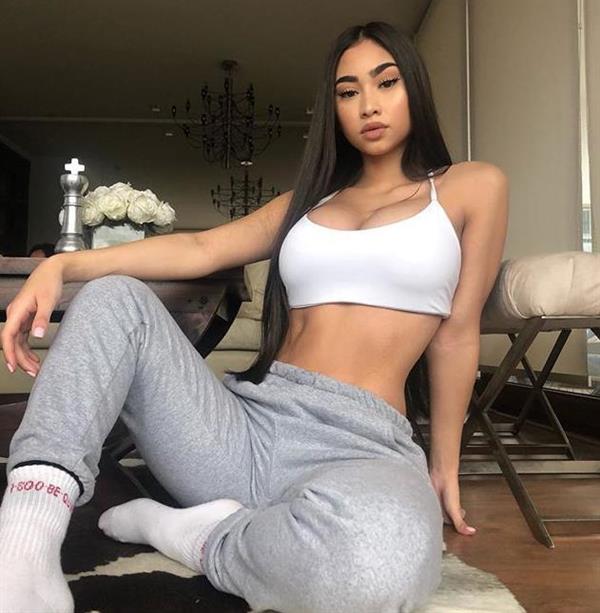
Her big break came in 2018 when she dropped “Not Steady,” an independent single that went viral faster than you could hit replay. The song racked up millions of streams and turned Paloma into an overnight sensation.
That same year, she made history as the first Chilean artist to sign with Sony Music Latin, proving that a homegrown talent from Santiago could go global on her own terms. Between 2018 and 2020, she delivered multiple Top 10 hits in Chile, earning her a loyal fanbase that stretches far beyond South America.
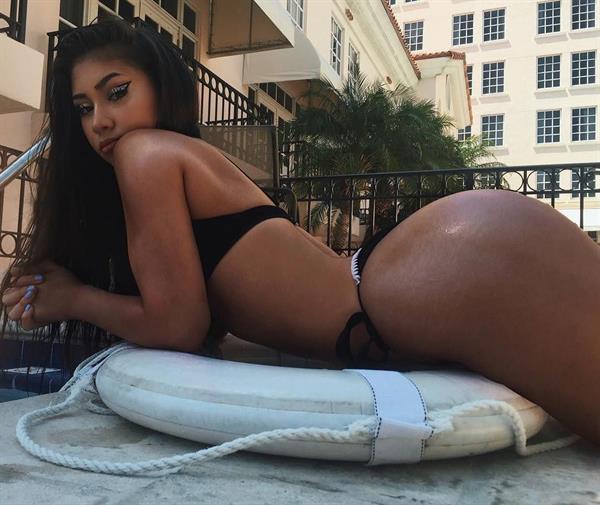
In 2020, she teamed up with Major Lazer for the fiery collab “QueLoQue,” and by 2021 she was ready to drop her debut album, Sueños de Dalí — a dreamy, genre-blending project that caught Billboard’s attention and cemented her place as one of Latin music’s most exciting new voices.
With her cool confidence, trilingual swagger, and genre-hopping sound, Paloma Mami isn’t just making hits — she’s making her own lane.
Lali
Lali Espósito — or just Lali, because when you’ve got that much star power, one name is plenty — is an Argentine singer, actress, and dancer who’s been in the spotlight practically since she could walk. Born on October 10, 1991, she kicked off her career in 2003 on the kids’ telenovela Rincón de Luz, and later shot to fame as part of the hit teen group Teen Angels, born out of the beloved series Casi Ángeles.
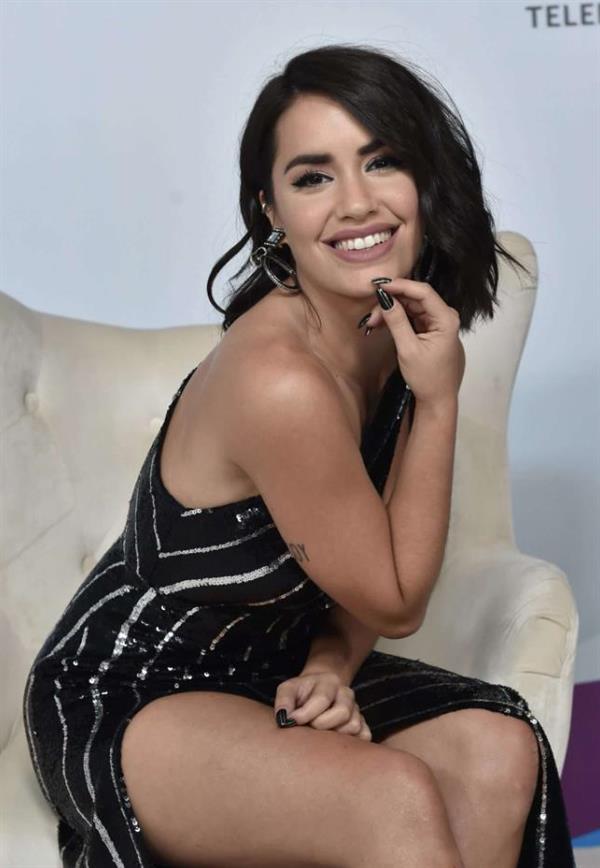
When Teen Angels disbanded in 2012, Lali didn’t slow down — she just cranked up the volume. Two years later, she launched her solo career with A Bailar (2014), a high-energy mix of pop and EDM that showed the world she wasn’t just a former teen star — she was a full-fledged pop powerhouse.
Her follow-up albums, Soy (2016) and Brava (2018), cemented that status. Brava in particular brought the heat with the flirty banger “Sin Querer Queriendo” featuring Mau & Ricky — the same duo she joined for the “Mi Mala” remix, a track so star-studded it basically doubled as an urban pop summit. The video alone is a celebration of Latin music’s leading ladies — and trust us, it’s worth a watch.

But Lali’s not just a voice and a dance move. She’s also acted in films and series, directed a Fox LatAm talent show, and used her platform to speak out on social issues. Whether she’s on stage, on screen, or behind the scenes, she brings confidence, charisma, and a spark that’s unmistakably Lali.
From soap operas to sold-out shows, she’s living proof that growing up in the spotlight doesn’t have to dim your shine — if anything, hers just keeps getting brighter.
Mariah
Mariah Angeliq — the self-proclaimed “Princess of Miami” — is a Puerto Rican-Cuban powerhouse who’s redefining the sound of Latin pop with her irresistible blend of reggaetón, R&B, and Latin trap.
Born in Miami, Mariah grew up surrounded by the energy of Latin culture and knew early on that music was her calling. At just 16, she left home to chase that dream — gutsy, right? — and it paid off. Producer Nely “El Arma Secreta” discovered her, helped her refine her Spanish-language sound, and together they built the foundation of what would become her signature style: bold, smooth, and unapologetically confident.
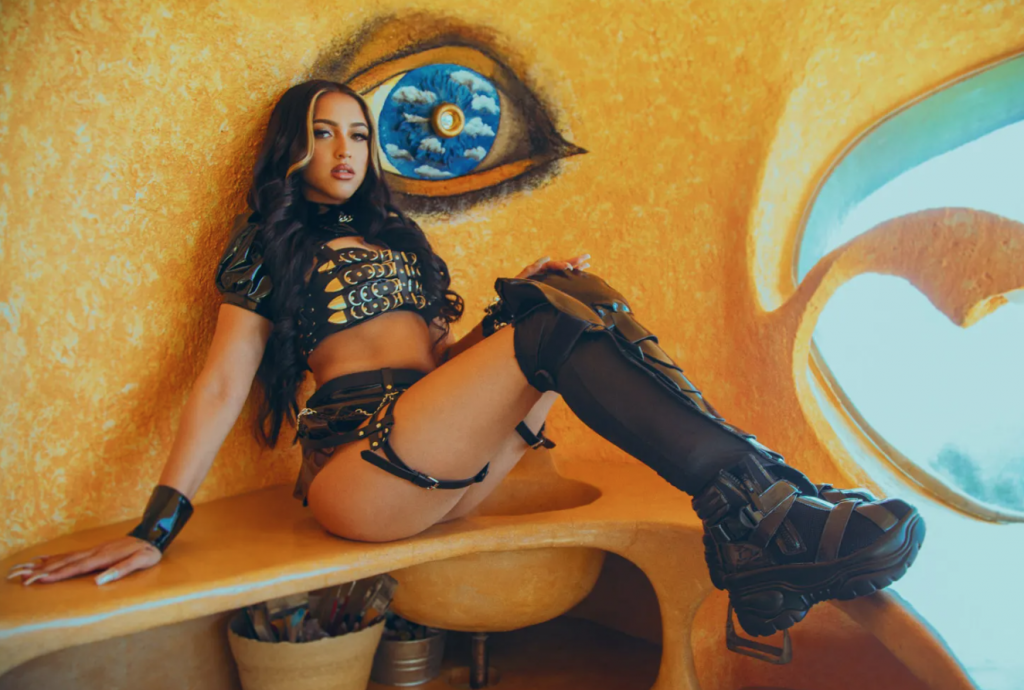
By 2018, she was signed to Universal Music Latin, and the following year she dropped “Perreito,” the flirty, unstoppable hit that went double platinum and charted in 16 countries. Basically, if there was a dance floor, Perreito was on it.
Her debut EP, Normal (2020), solidified her status as one of the freshest voices in the Latin urban scene and even earned her a Lo Nuestro Award nomination for Revelation Female Artist. Since then, she’s collaborated with heavy hitters like Guaynaa and even the Gipsy Kings, proving her range extends far beyond the Miami club scene.
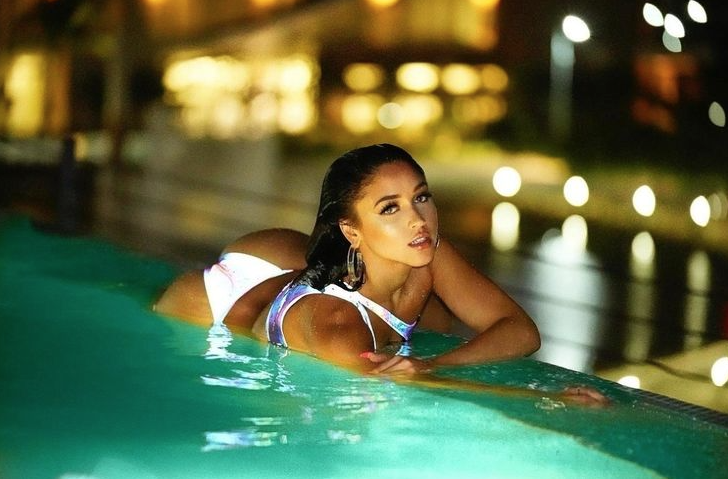
Mariah’s music fuses attitude with melody — the kind that makes you want to dance and text your ex at the same time (not that we’re recommending it). With her fearless energy and genre-blending sound, she’s not just following the reggaetón wave — she’s helping lead it.
Melymel
Melymel — born Melony Redondo — isn’t just another name in hip-hop; she’s the name that helped put Dominican rap on the map. Known proudly as “La Mamá del Rap” (“The Mother of Rap”), she’s one of the first female rappers to rise out of the Dominican Republic, paving the way for a new generation of women in Latin urban music.
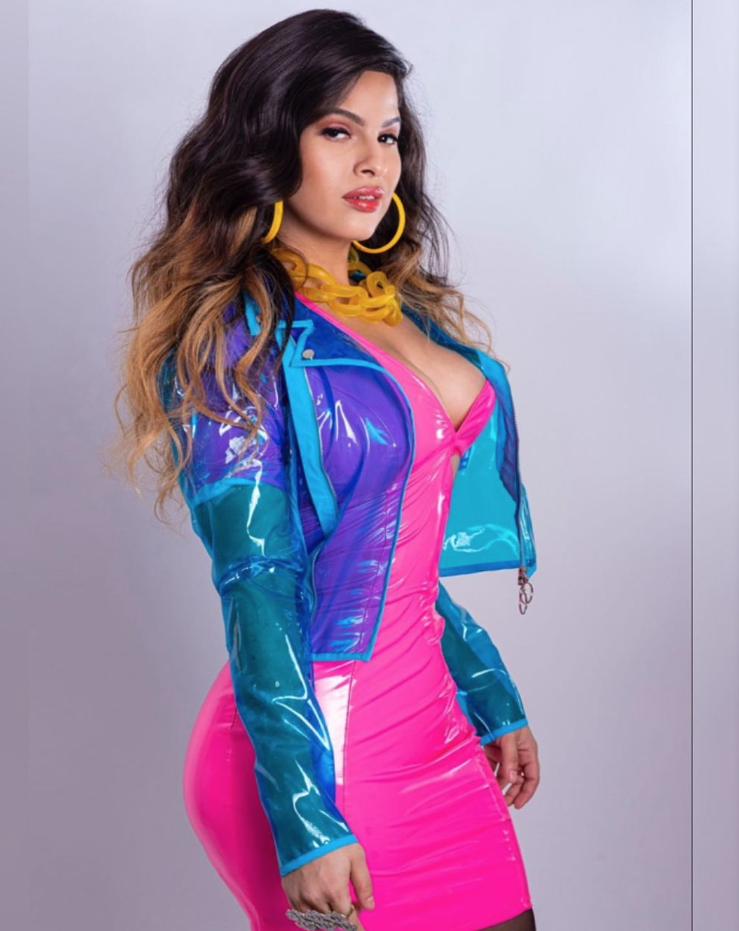
Her story started young. At just 12, she was already writing and freestyling, inspired by the poetic grit of Tupac and the soulful honesty of Lauryn Hill. That early passion led her to release her first track, “Fresa,” in 2006, followed by her debut mixtape Sensación Mermelada in 2007 — which, impressively, made waves as far as New York and South Africa. Talk about global appeal before “going viral” was even a thing.
Fluent in multiple languages, Melymel used her versatility to her advantage, landing a record deal with EMPIRE in 2017. Then came her defining moment: Dragon Queen (2018), an album that roared with confidence, honesty, and unapologetic attitude — just like her. It even featured the legendary Ivy Queen, proving that when rap royalty links up, sparks fly.
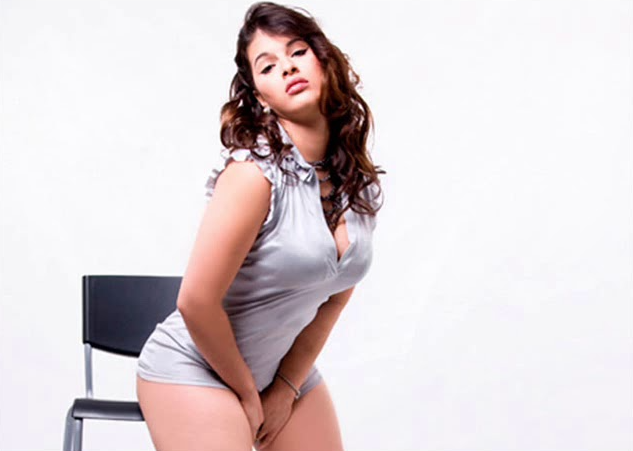
Melymel’s sound is a mix of hip-hop and Dominican flavor, anchored by raw, fearless lyrics that tackle everything from social issues and mental health to empowerment and self-worth. She’s never been afraid to say what others won’t — and that’s exactly what’s made her such a powerful voice in Latin music.
Oh, and when she’s not spitting bars? She’s acting. Because of course she is. Melymel’s not just a rapper; she’s a full-on cultural force — bold, brilliant, and still blazing trails for the women coming after her.
Amara La Negra
Amara La Negra — born Diana Danelys De Los Santos on October 4, 1990 — is the definition of a modern multi-hyphenate: singer, actress, dancer, author, and TV host. Proudly Afro-Latina and unapologetically herself, she’s a force who refuses to fit into anyone’s box.
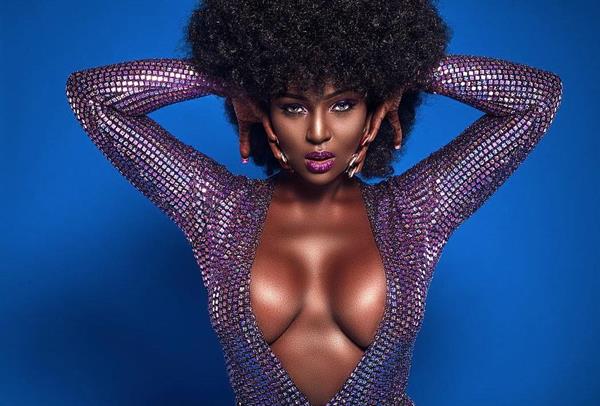
Born in Miami to Dominican parents, Amara grew up surrounded by rhythm, color, and culture — all of which shine through in her music and personality. She first burst into mainstream fame in 2018 on Love & Hip Hop: Miami, instantly standing out with her bold style, powerhouse voice, and outspoken personality. The show gave her music a massive spotlight as she began breaking into the U.S. hip-hop and Latin music scenes.
Her singles “Insecure” and “What a Bam Bam” quickly became fan favorites, showcasing her mix of confidence and Caribbean flair. But beyond the music, Amara’s mission runs deeper. She proudly embraces her nickname “La Negra” — a term once used to criticize her — and flips it into a symbol of empowerment, celebrating her Blackness and her Dominican heritage all at once.
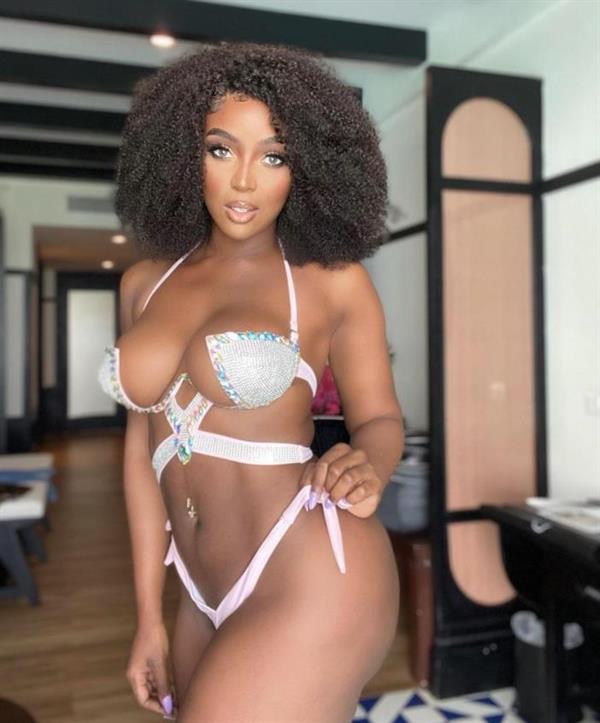
Amara has often said she hopes to inspire young Afro-Latinas the same way her idol Celia Cruz inspired her — by proving that you can be beautiful, talented, and successful without ever toning down who you are.
With her fierce talent, fearless attitude, and radiant energy, Amara La Negra isn’t just a performer — she’s a movement.
Snow Tha Product
Snow Tha Product — born Claudia Alexandra Madriz Meza on June 24, 1987 — is the definition of a self-made powerhouse. A Mexican-American rapper, singer, actress, and podcaster, she’s known for her rapid-fire flow, bilingual bars, and refusal to play by anyone’s rules but her own.
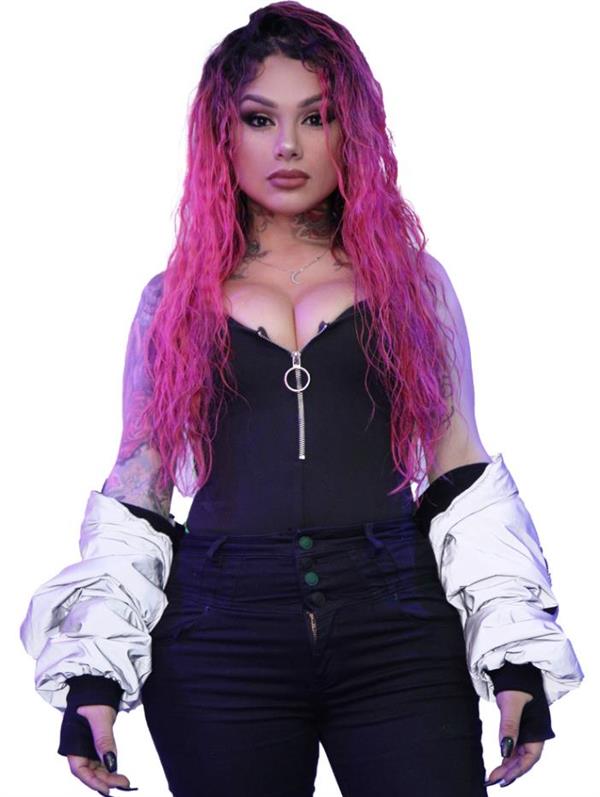
Born in San Jose, California, to parents who immigrated from Mexico, Snow grew up surrounded by music. Her dad and grandfather were mariachi musicians, so by the time she was six, she was already performing with her grandfather’s band — a tiny performer with a big voice. But when her family moved to San Diego, she discovered hip-hop, started freestyling with friends, and realized she had something special: speed, skill, and serious attitude.
She kicked off her career as an independent artist, grinding her way to a loyal fanbase by writing, producing, and promoting her own tracks long before it was the cool thing to do. Her early projects — Unorthodox and Good Nights & Bad Mornings — showcased her versatility and razor-sharp flow, proving she could hang with the best in both English and Spanish.
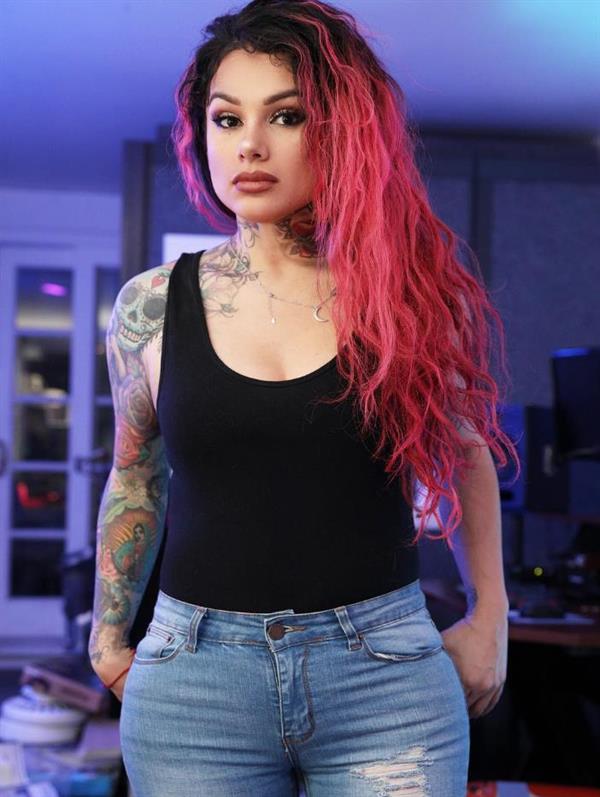
By 2012, her talent couldn’t be ignored, and she signed with Atlantic Records — but even with a major label deal, Snow kept her underground spirit intact. She’s also crossed over into acting, appearing in Queen of the South and The Forever Purge, because why stop at one form of domination?
Snow Tha Product isn’t just breaking barriers; she’s bulldozing them — one rapid verse and fiery statement at a time.
Melii
Melii — the Dominican-American artist shaking up both rap and R&B — was born in Manhattan, New York, and raised in East Harlem. Growing up, she found inspiration in J. Cole’s music, which helped her realize she wasn’t just a fan — she was an artist in the making.
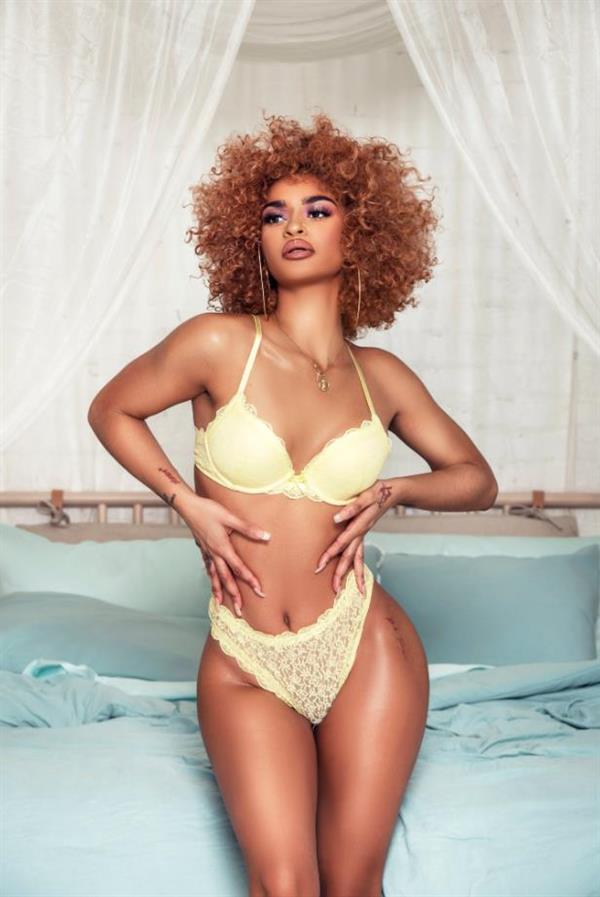
Her big break came in 2017, when she dropped a cover of Cardi B’s “Bodak Yellow” — but with a twist: she added her own Spanish lyrics. The internet loved it, and the video went viral, catching the attention of major labels. From there, Melii started releasing her own original tracks like “Icey” and “Como Si Na,” both packed with the same sharp edge and bilingual swagger that made her cover blow up in the first place.
By 2019, Melii was making serious moves — collaborating with artists like Becky G and Saweetie, and even hitting the road with Meek Mill on tour. Not bad for someone who started by posting songs online.
When asked if she’s a singer or a rapper, Melii keeps it real:
“I’m not boxed into any of that. I write poetry. I’m a poet. Whatever beat I want in the studio — it’s gonna come out as a rap, or it’s gonna come out singing. Nothing that I’m doing is an act.”
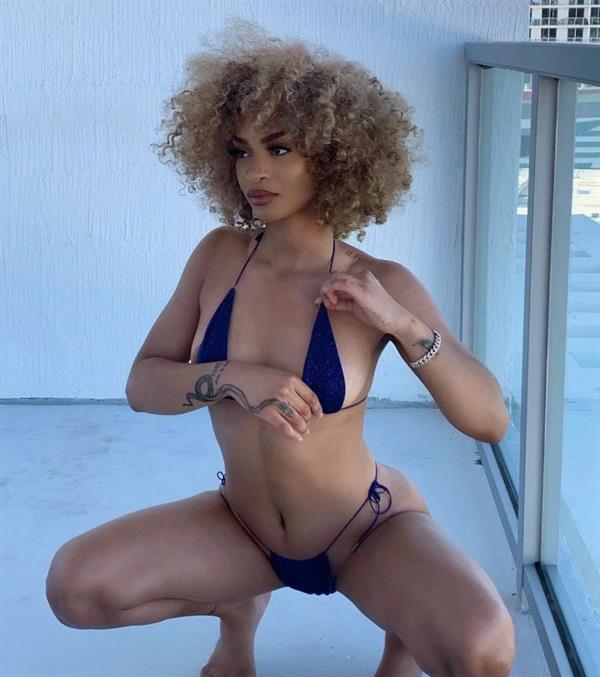
And that’s exactly what makes her stand out. Melii doesn’t fit neatly into a genre — she creates one. Whether she’s spitting bars or hitting melodies, she does it with raw emotion, confidence, and a whole lot of East Harlem fire.
Greeicy
Greeicy — born on October 30, 1992, in Cali, Colombia — is the kind of artist who seems to shine no matter what she’s doing. Singer, songwriter, actress — she’s done it all, and she’s done it with style.
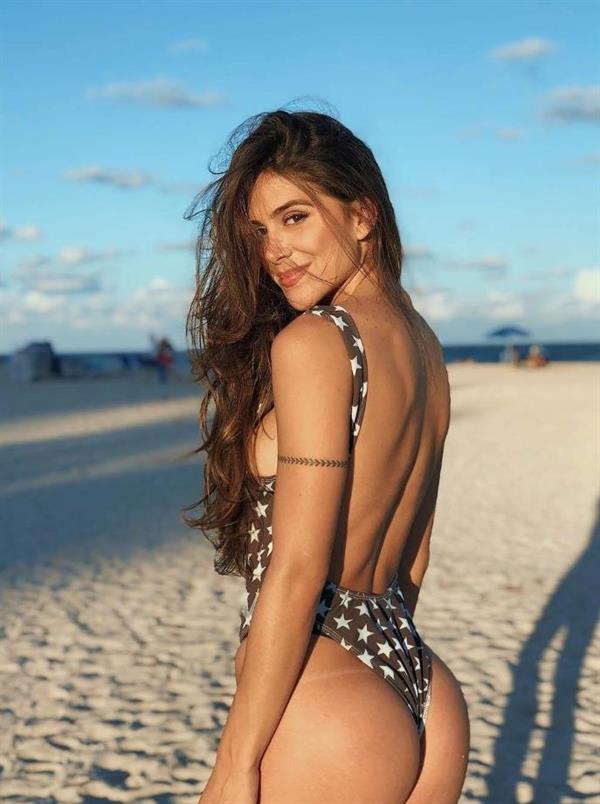
Her journey started back in 2007 when she first stepped into the spotlight on the reality show Factor X. While some contestants fade away after their 15 minutes, Greeicy took that experience and turned it into a full-blown career. By 2013, she’d become a household name playing Daisy O’Brian in the hit series Chica Vampiro, which basically made her the coolest vampire on Colombian TV.
But acting was just the first act. In 2017, Greeicy shifted her focus to music — and it didn’t take long for her to make waves. Her solo hits “Brindemos,” “Error,” and “Destino” showed off her smooth voice and emotional depth, while her collaboration “Amantes” with Mike Bahía (yes, her real-life partner) became one of those songs everyone seems to know the words to.
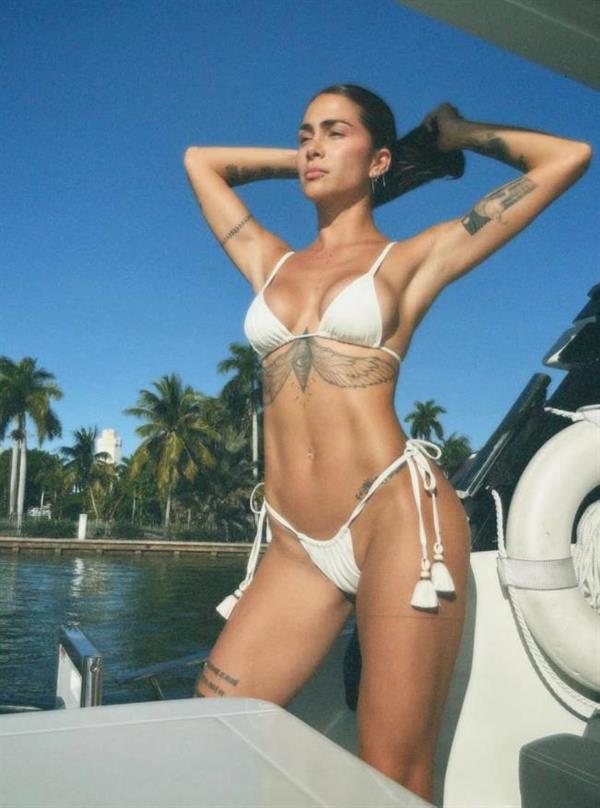
Since then, she’s racked up awards, including Best Urban Pop Artist at the Latino Show Music Awards, and built a fanbase that stretches far beyond Colombia. Whether she’s singing about love, heartbreak, or self-discovery, Greeicy brings a sincerity and joy that make her impossible not to love.
From reality show hopeful to Latin pop star, Greeicy’s glow-up is proof that talent, heart, and a little Cali sunshine go a long way.
Cazzu
Cazzu — born Julieta Emilia Cazzuchelli on December 16, 1993, in Fraile Pintado, Jujuy, Argentina — isn’t just a singer; she’s a movement. Known as the “Queen of Argentine Trap,” she’s built a reputation for fusing trap, reggaetón, and hip-hop into a sound that’s bold, emotional, and completely her own.
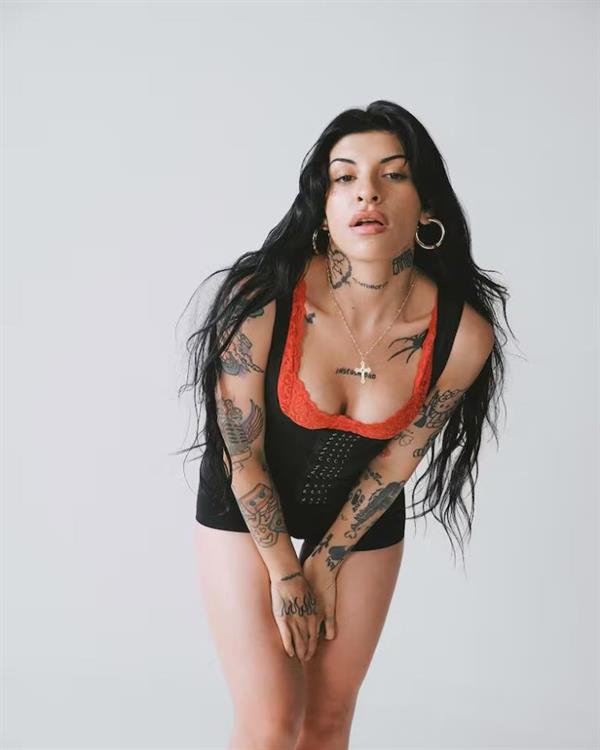
Music has been in her blood from the start — her dad was a musician who encouraged her to perform from a young age, and by eleven, she was already singing alongside him. But Cazzu’s path to stardom wasn’t a straight line. After high school, she studied cinematography in Tucumán and later graphic design in Buenos Aires — because apparently, even her backup plans were artistic.
Before she found her groove in urban music, Cazzu experimented with just about everything: cumbia, rock, folk — you name it. But once she hit the trap and reggaetón scene, everything clicked. Her breakout hit “Loca” made major waves across Latin America, and from there, she only went up.
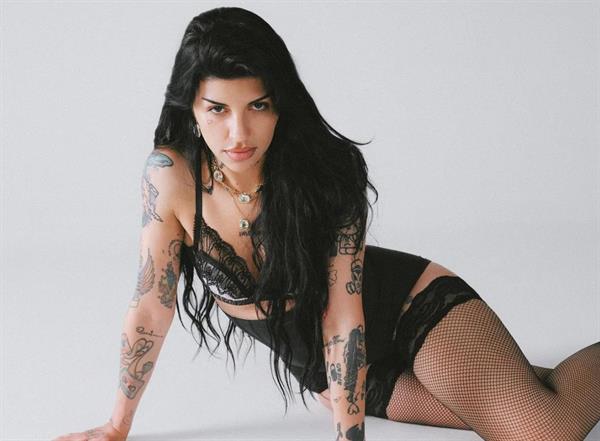
Albums like Error 93 and Nena Trampa cemented her place as one of the most powerful voices in Latin urban music — unapologetic, raw, and fiercely independent. With her dark, confident aesthetic and razor-sharp lyrics, Cazzu isn’t just making music; she’s rewriting what it means to be a woman in the Latin trap scene.
From small-town dreams to global stages, she’s proof that you don’t have to fit the mold to become a queen — you just have to make your own crown.